Category
Fashion
Scaled Restraint
Consumers seek out more gentle alternatives to retinol.
Trend
Alternative A: The vitamin A derivative retinol's highly effective qualities make it popular, however some consumers are seeking out more gentle alternatives in order to preserve the same effects of the compound, but without applying harsh chemicals to the skin. Skincare brands are meeting this demand by offering retinol-free products, or those that include retinol-like substances, catering to consumers concerned with natural-minded self-care.
Trend themes
The success of bakuchiol, a natural alternative to retinol, has led to the creation of many retinol-free skincare formulas.
There is a growing demand among consumers for plant-based alternatives in skincare products.
Brands are exploring natural preservatives as an alternative to the harsh chemicals found in traditional skincare formulas.
Industry implications
Skincare brands are constantly innovating to provide consumers with gentler and more effective products.
The use of natural ingredients in products continues to rise and offer new opportunities for innovation.
As consumers seek out eco-friendly and safer products, the demand for natural preservatives continues to grow.
Workshop question
Trend signals
Trend score 3.3 out of 10, from popularity 64%, activity 26%, freshness 8%.
Evidence
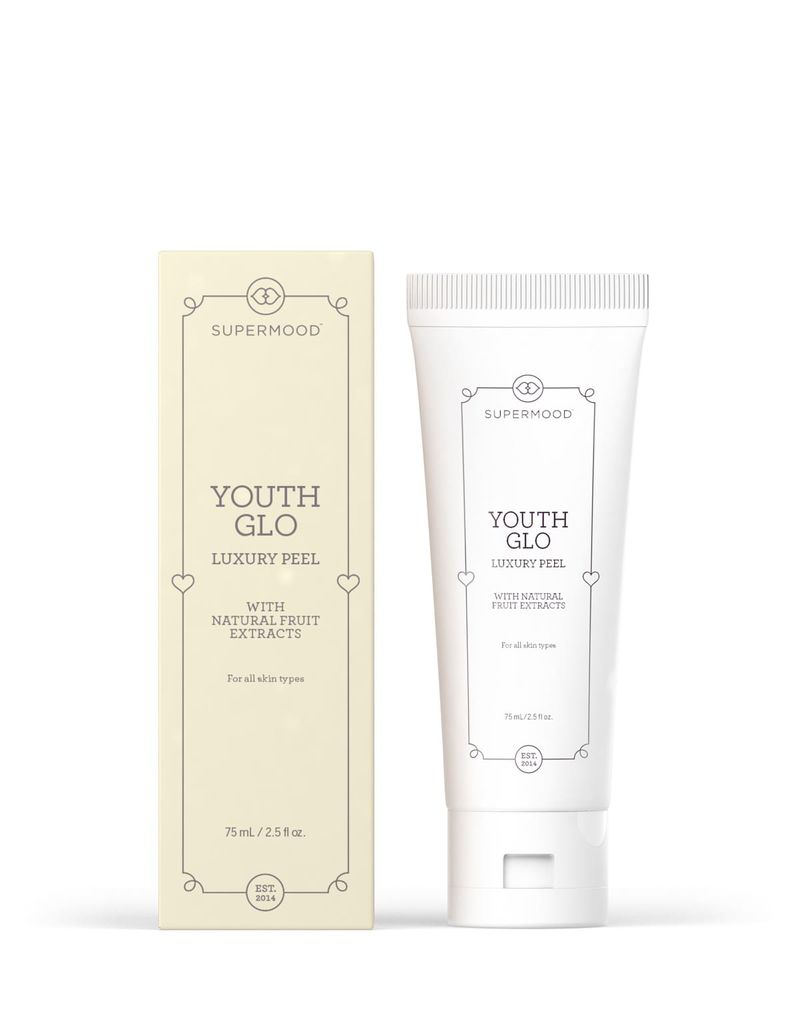
Supermood's Youth Glo Luxury Peel is Infused With Natural Retinols
Creating innovative skincare products that harness the power of natural ingredients to address various skin concerns.
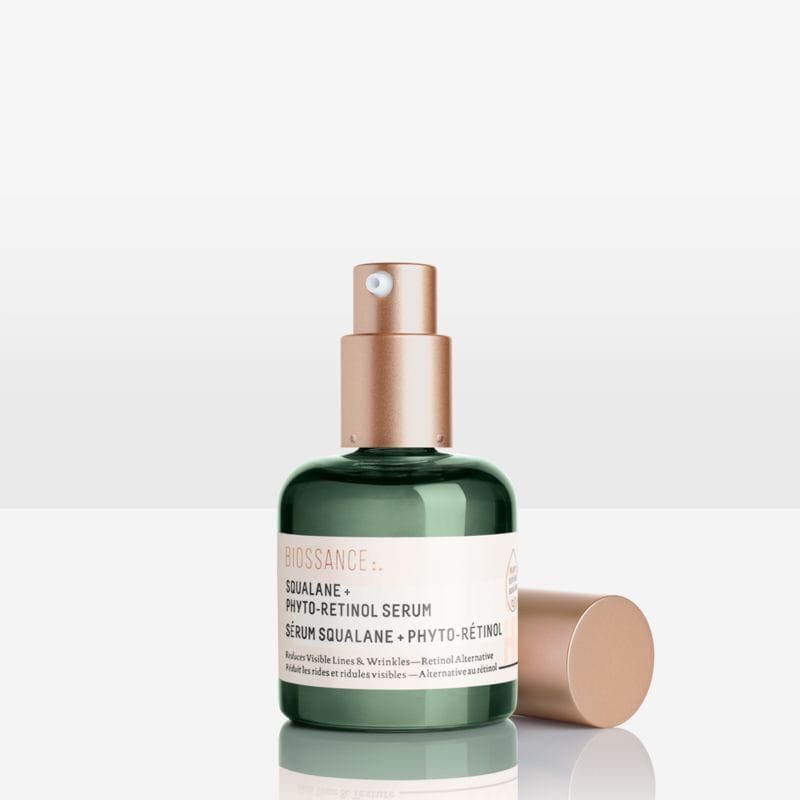
Biossance's Serum Uses Bakuchiol as an Alternative to Retinol
The trend towards utilizing alternative ingredients in skincare, specifically the integration of Bakuchiol as a substitute for retinol, presents disruptive innovation opportunitie…
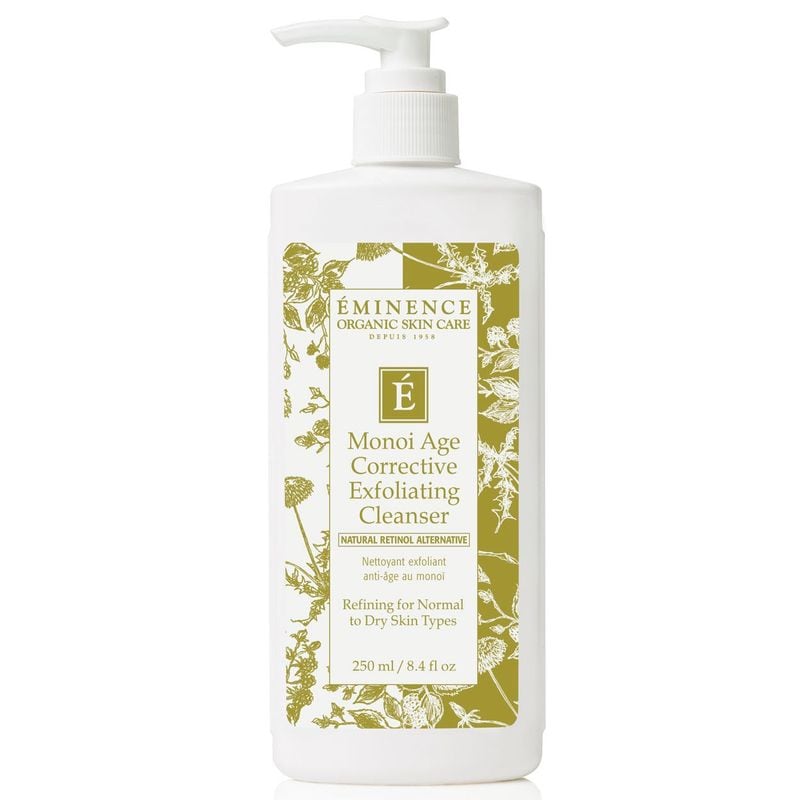
This Corrective Cleanser from Eminence Features Monoi Oil
Opportunity for companies in the beauty and personal care industry to expand their product lines with innovative and multifunctional skincare products.
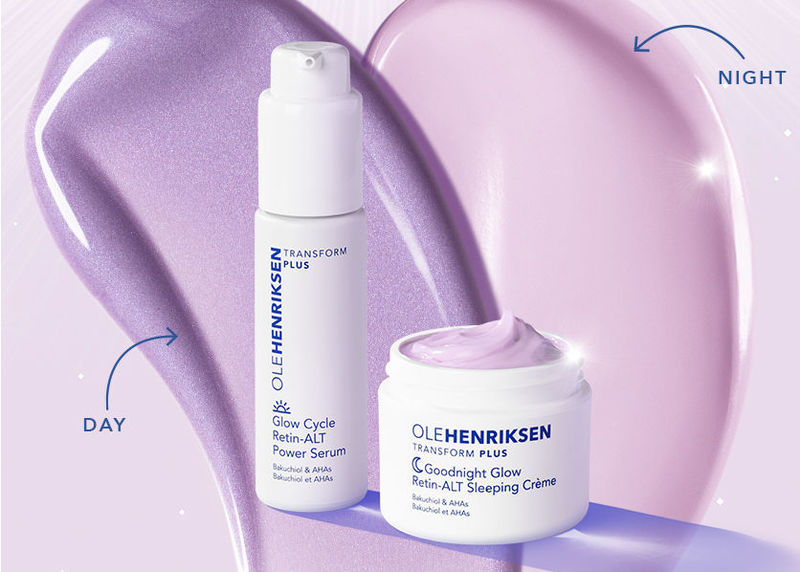
Ole Henriksen's New Products Share a Natural Retinol Alternative
Companies in the beauty and skincare industry can benefit from the trend towards natural, skin-sensitive ingredients like bakuchiol and other plant-based offerings.