Category
Fashion
Occasion Chromatics
In lieu of manicured goods, consumers are turning to off-putting goods to stand out.

What's Happening
Embracing Ugly: Speaking to consumers who look to stand out, purposely and explicitly unattractive products offer up a way for people to reject the status quo in a clever way. These products are explicit and self-aware of their appearance, and are marketed in a way that play up flaws instead of diminishing them.
Evidence
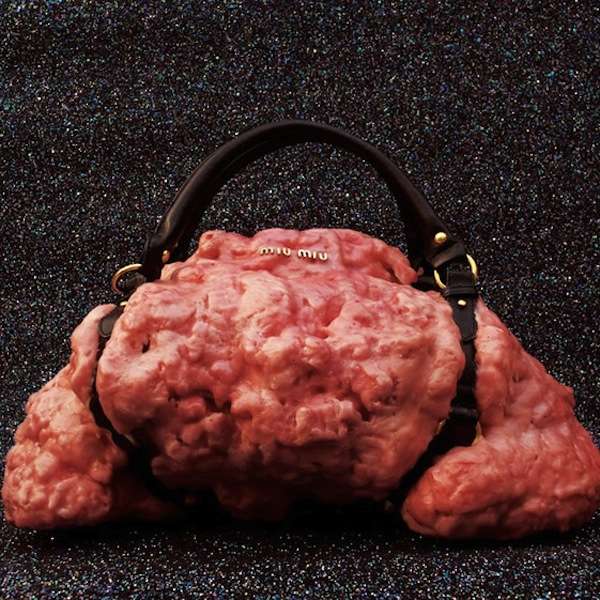
Andrea Hasler Puts Designer Brand Names on Ugly Meat Accessories
Fashion design can explore anti-consumerism themes through provocative designs like grotesque mock meat accessories.
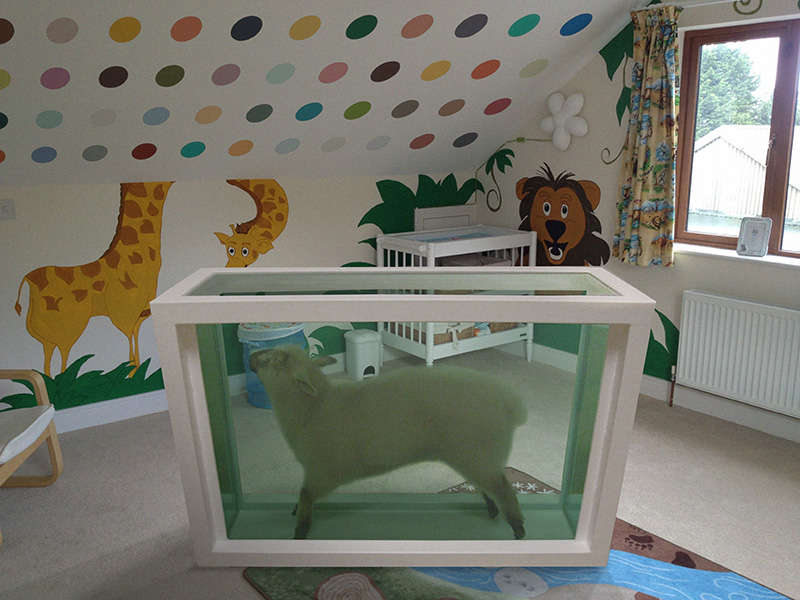
The 'Great Art in Ugly Rooms' Tumblr Puts Famous Paintings in Awful Places
Disruptive innovation opportunity: Rethinking the conventional display of art by exploring unconventional settings and interactive elements to engage viewers in new ways.
The Holiday Sweater Infographic Tells What Your Jumper Means
Industry can create customized and unique holiday apparel that would cater to customers seeking fresh and innovative wardrobes.
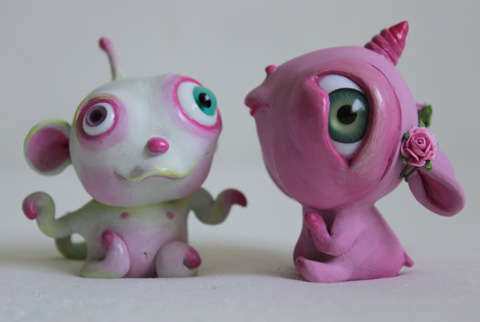
The Lydia Dekker Horrible Sweet Series is Adorably Grotesque
Opportunities to create unique, attention-grabbing art that challenges traditional aesthetics
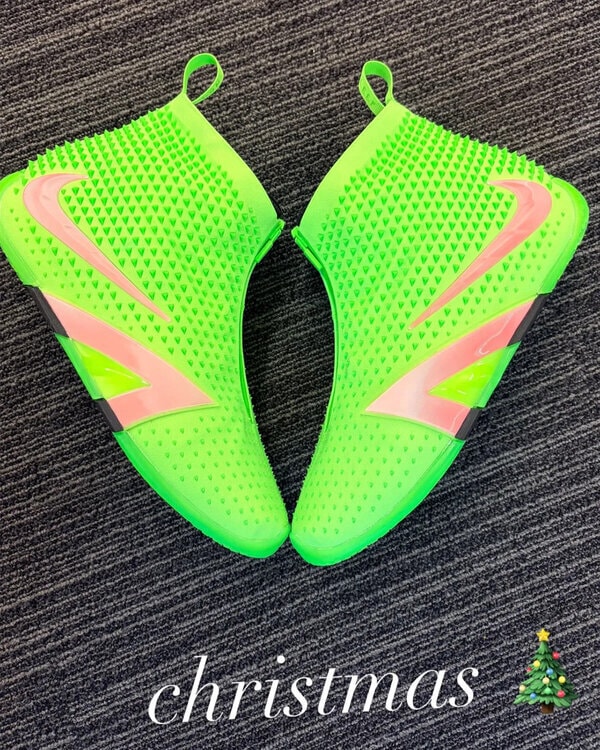
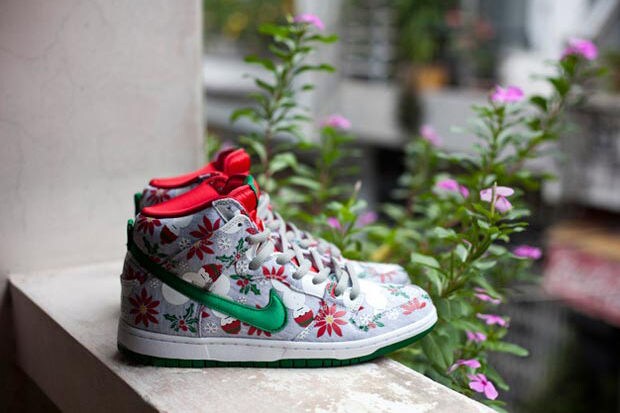
These 'Ugly Christmas Sweater' Themed Nike SB Dunks are Quirky
Companies who specialize in sneaker design and production can capitalize on the growing trend of holiday-inspired footwear.
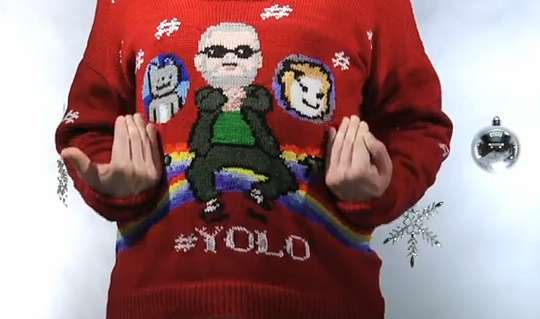
Get Your Pop Culture Christmas Sweater with the Yolo Sweater
Fashion industry can capitalize on the demand for pop culture Christmas sweaters.
Trend themes
Purposely and explicitly unattractive products offer a way for people to reject the status quo and play up flaws instead of diminishing them.
Incorporating only the most memorable memes and viral videos of the year, festive sweaters can be made both trendy and funny.
Transforming objects that society deems desirable into something repulsive alters our perception and creates a unique experience for the viewer.
Industry implications
Fashion professionals can take advantage of the viral pop culture fashion and create apparel that incorporates internet memes and viral videos.
The art industry can be disrupted by transforming desirable objects into repulsive ones, which creates a unique art experience.
Marketing professionals can create and market explicit and self-aware products by playing up flaws instead of diminishing them, in order to appeal to consumers who want to stand out.
Trend signals
Trend score 4.6 out of 10, from popularity 64%, activity 68%, freshness 8%.