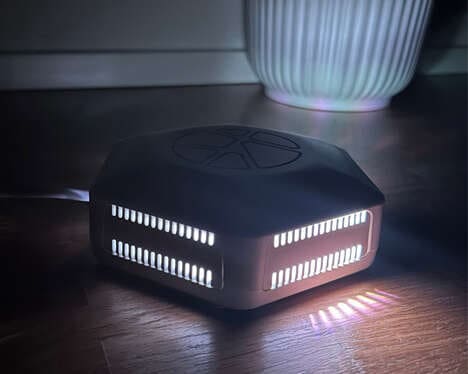
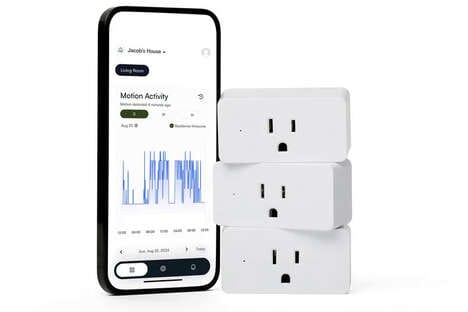
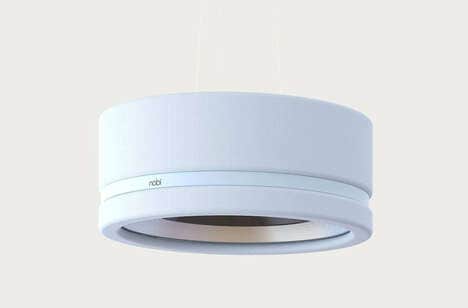
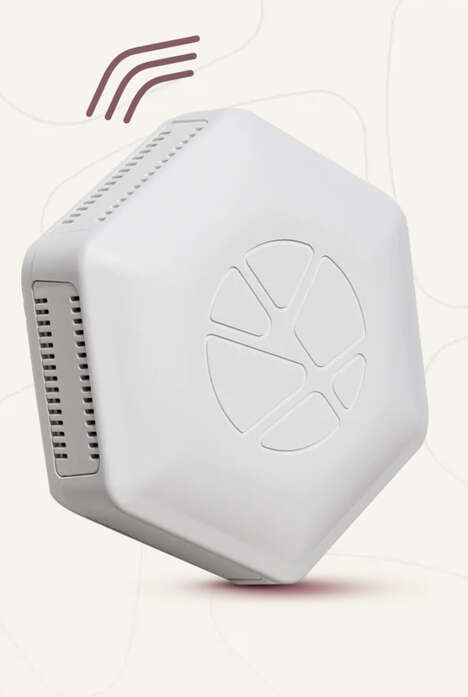
Functioning as a set of virtual eyes, the Walabot Home ensures that loved ones are always safe and have access to help. Designed to sense when a person has fallen in their home, the Walabot Home was purposefully built to keep an eye on elderly loved ones. Essentially, the device functions as a central nervous system that tracks a person as they move through their house. The sensor is even strong enough to track a person through walls and curtains that would otherwise block a camera.
Leveraging the capabilities of a smart home device, the Walabot Home fulfills a distinct need in the homes of elderly individuals. The ability to track and sense falls adds a greater level of security to a person's life and ensures that a disaster does not become life-threatening.
What's Driving This Trend
- Fall-detecting Technology
- Developing fall-detecting sensors that leverage smart technology creates an opportunity to maintain the safety of aging populations.
- Smart Home Security
- Incorporating sensors like Walabot Home within smart home security features can offer real-time monitoring of elder care and potentially provide health benefits to the elderly.
- AI Assisted Health Monitoring
- Developing AI-assisted health monitors for home environments has a promising potential for detecting falls and preventing injury among elderly populations.
Who This Affects Most
- Healthcare Technology
- Incorporating AI, smart technology and sensors into healthcare technology for patient monitoring has the potential to create market opportunities that meet the needs of the elderly community.
- Smart Home Technology
- As smart home technology grows in popularity, integrating sensors that offer health monitoring capabilities could introduce alternative revenue streams for companies and promote healthier aging for users.
- Home Security
- Integrating elderly care solutions in existing home security systems could provide seniors and their families with additional safety measures and create business opportunities for security providers.