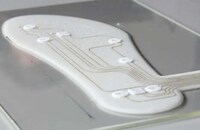
A group of researchers working out of Singapore have developed a high-tech smart insole that is designed to take advantage of advanced electronics and sensor technologies in order to be able to detect falls.
Created as part of a collaboration between the National University of Singapore and the spin-off company FlexoSense, these smart insoles are equipped with an inertial measurement unit, GPS system and pressure sensors which work to monitor foot movements, location and foot pressure respectively. By studying data readings across these three variables, the insole's algorithms can detect falls, which can then be conveyed on a companion smartphone app.
Currently being tested by the Maritime Port Authority of Singapore, these fall-detecting smart insoles could be hugely useful in outdoor workplaces where falls can cause injuries and financial consequences.
Image Credit: National University of Singapore
Key Themes Behind This Trend
- Smart Insoles
- The market for smart insoles is growing, with opportunities for developing more advanced features and use cases.
- Fall Detection
- More companies are investing in fall detection technology, which can lead to improved workplace safety measures and reduced injury costs.
- Sensor Technology
- Advancements in sensor technology are creating new opportunities for wearable devices that can monitor and improve health outcomes.
Where This Applies
- Health Technology
- The health tech industry can leverage smart insoles and sensor technology to develop new devices for preventing falls and improving mobility.
- Manufacturing
- Manufacturing companies can implement fall detection technology in their facilities to improve worker safety and reduce workers' compensation costs.
- Logistics
- Logistics companies can use fall detection technology to improve safety for workers, as well as develop new tracking and monitoring solutions for their operations.