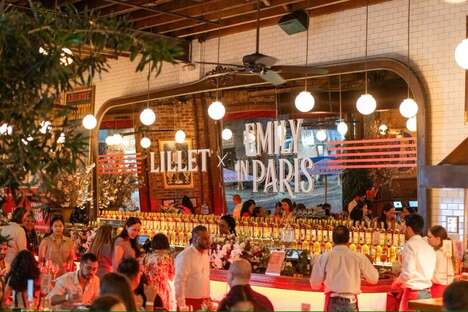
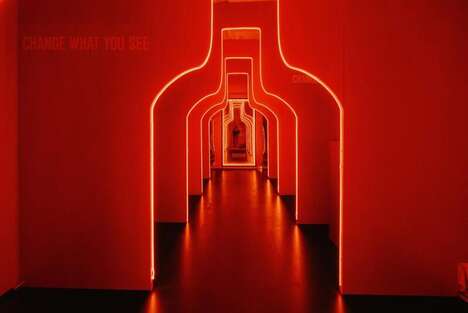
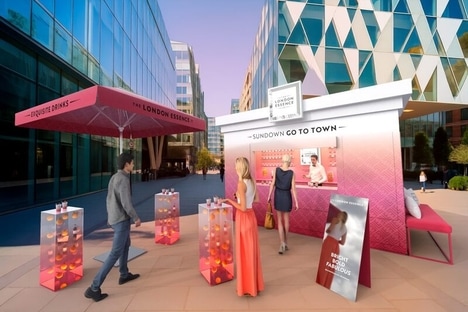
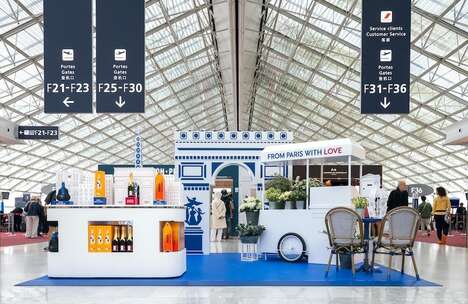
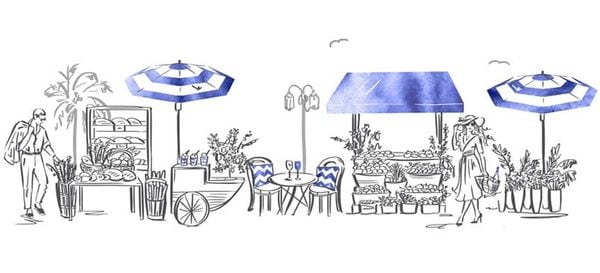
Hosted in London's Soho Square from July 27 through 29, the romantic Maison St-Germain pop-up offered guests an immersive cocktail journey inspired by the spirit of the 1920s, the decadence of summer and the history of the elderflower liqueur brand.
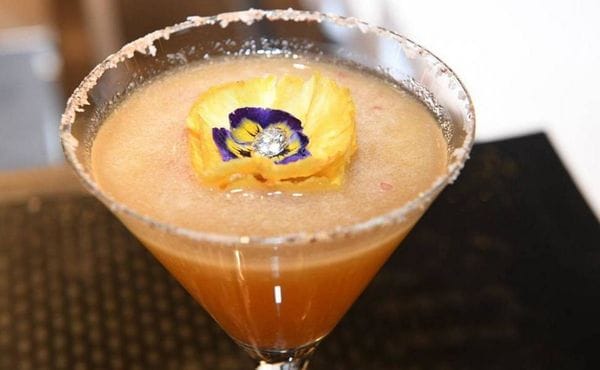
The sensory-enhanced venue was filled with fresh flowers and invited guests to first make a stop at the event's resident floral designer Emily Baylis before being taken into a floral-filled bar space with a live jazz band and St-Germain cocktails on deck. The event also featured St-Germain's global brand ambassador Camille Ralph Vidal, who played host by teaching attendees how to create a signature St-Germain cocktail.
With multiple floors and a variety of immersive experiences, the Maison St-Germain pop-up is a great example of how alcohol brands can use direct-to-consumer marketing experiences to incite a meaningful brand-customer relationship.
What's Driving This Trend
- Direct-to-consumer Marketing Experiences
- The Maison St-Germain pop-up demonstrates the power of immersive marketing experiences to build a strong brand-customer relationship.
- Sensory-enhanced Venues
- Using fresh flowers and live jazz music, the Maison St-Germain pop-up shows how sensory elements can enhance the overall customer experience.
- Cocktail Education and Mixology
- The presence of St-Germain's brand ambassador teaching attendees how to create signature cocktails highlights the growing trend of cocktail education and mixology experiences.
Who This Affects Most
- Alcohol
- The Maison St-Germain pop-up showcases the potential for alcohol brands to engage consumers through unique and immersive brand experiences.
- Hospitality
- Pop-up events like Maison St-Germain offer opportunities for hospitality businesses to create memorable experiences for their guests.
- Floral Design
- The presence of a floral designer at the Maison St-Germain pop-up indicates the potential for collaboration between alcohol brands and the floral design industry to create visually stunning experiences.