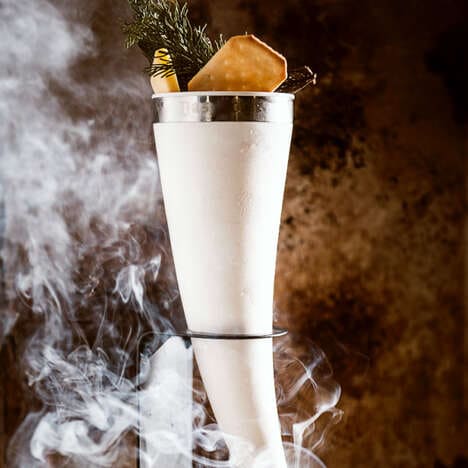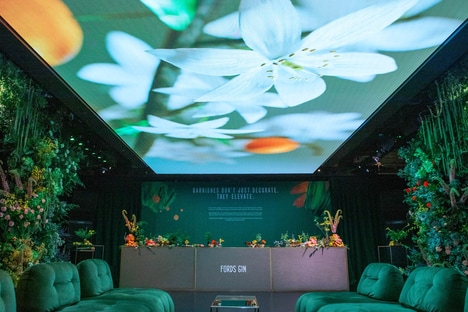
Over the course of three days, Cointreau invited fans into a multisensory, experiential townhouse in Soho to celebrate its brand heritage. The storytelling Maison Cointreau offered a look back on the brand's history, all the way back to its inception in 1849.
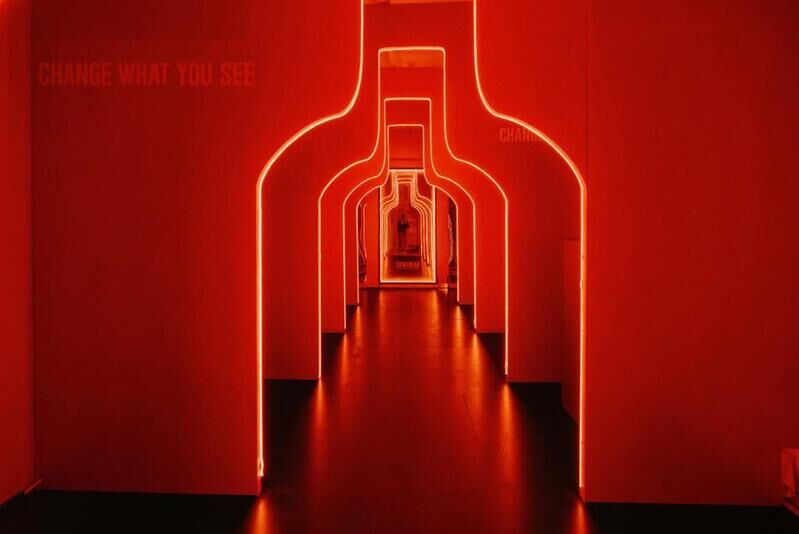
The four-floor Maison Cointreau offered a different sensory experience on each floor, starting by welcoming guests into the space with an edible cocktail. A bottle-shaped tunnel led guests through the space, and all the while, the sounds of a French bistro could be heard in the background. On the other floors of the space, visitors got to take in the sights of historic posters and bottles, as well a sense of how the product is made in the distillery in Angers, in North-Western France.
What's Driving This Trend
- Multisensory Experiential Installations
- Experiential installations that incorporate multiple senses to engage consumers in a unique and memorable way.
- Heritage-based Consumer Engagement
- Consumer engagement strategies that focus on the history and heritage of the brand to create a deeper emotional connection with customers.
- Brand Storytelling Through Immersive Environments
- Innovative approaches to showcasing a brand’s history and legacy through immersive installations that transport customers to a different place and time.
Who This Affects Most
- Beverages
- Beverage companies can leverage interactive installations that educate customers about the history and heritage of their product to differentiate themselves from competitors and create emotional connections with consumers.
- Hospitality
- Hotels and resorts can create immersive multi-sensory experiences that showcase local culture and heritage to attract and retain customers looking for unique and memorable experiences during their stay.
- Museums and Cultural Institutions
- Museums and cultural institutions can partner with brands to create multimedia installations that showcase their products, while simultaneously educating visitors about the history and culture of the brand.