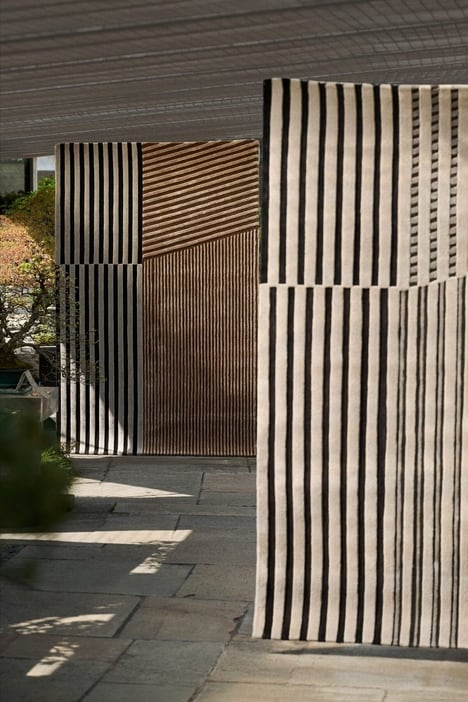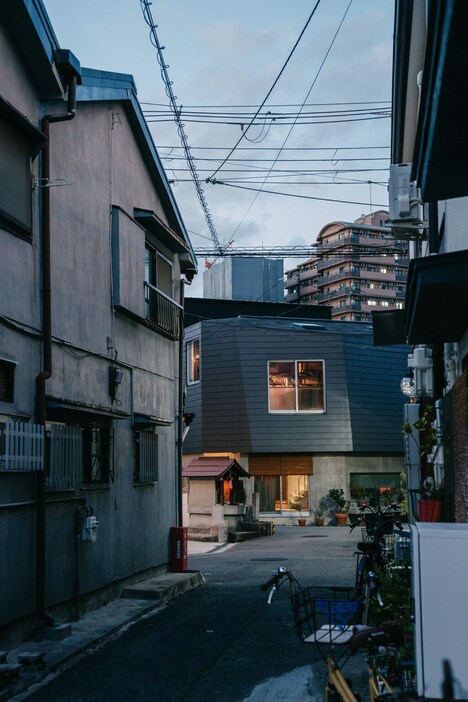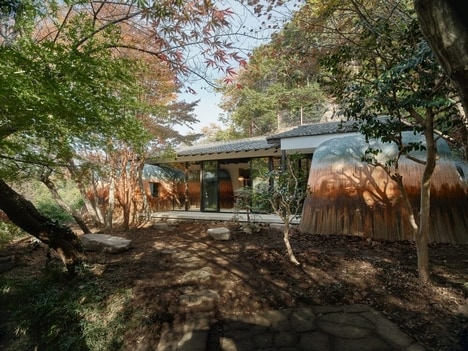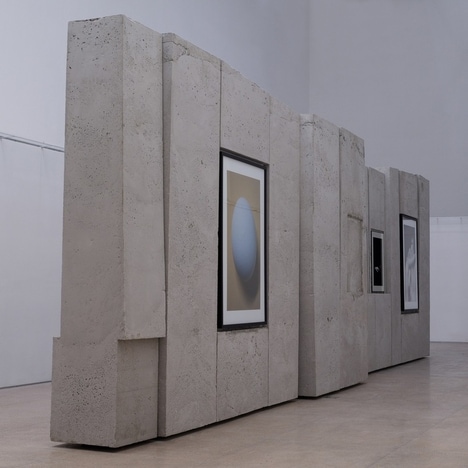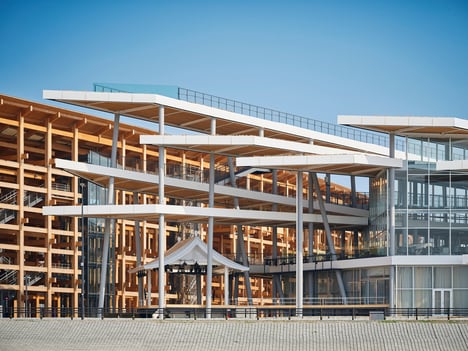
Fujiki Studio, in collaboration with F.A.D.S, the architectural design firm co-founded by Ryumei Fujiki and Yukiko Sato, has published a sequel to their first book, 'Aqua-scape: The Nature-oriented Architecture,' titled 'Seamless Architecture of Fujiki Studio + F.A.D.S 2010–2026.' This publication presents and explores a global architectural trend that has emerged since around the year 2000, where walls, roofs, and floors are covered with a single material with seams made as inconspicuous as possible, akin to the seamless skin of a living organism.
The concept of Seamless Architecture, named by Professor Ryumei Fujiki, positions this 21st-century architecture as modelled after 'life-forms' in contrast to 20th-century architecture modelled after 'machines.' The publication encompasses works from around the world including Continuous Plate House, Graz Museum, Selfridges Birmingham, and many others, with the argument that today almost all conscious architects design their buildings within this framework.
Image Credit: ©Fukunaga-shiko Co., Ltd. & ©Fujiki Studio, KOU::ARC
What Makes This Trend Stand Out
- Seamless Building Skins
- Single-material envelopes with hidden joints are redefining architectural aesthetics, creating opportunities for advanced cladding systems, adaptive surfaces, and biomorphic construction methods.
- Bio-inspired Architecture
- Life-form-based design principles are shifting buildings away from machine-like structures, opening space for organic geometries, responsive materials, and nature-integrated spatial experiences.
- Material Continuity Design
- Continuous walls, roofs, and floors are elevating material expression, supporting new approaches to fabrication, maintenance, and immersive architectural storytelling.
Sectors Adopting This
- Architecture
- Contemporary design firms are using seamless forms to distinguish landmark projects, encouraging innovation in building typologies, spatial identity, and global design language.
- Construction Materials
- Manufacturers of panels, coatings, composites, and surface systems are positioned to benefit from demand for durable materials that enable uninterrupted architectural finishes.
- Publishing
- Architecture-focused books and visual research publications are becoming platforms for defining emerging design movements, expanding influence across education, practice, and cultural discourse.