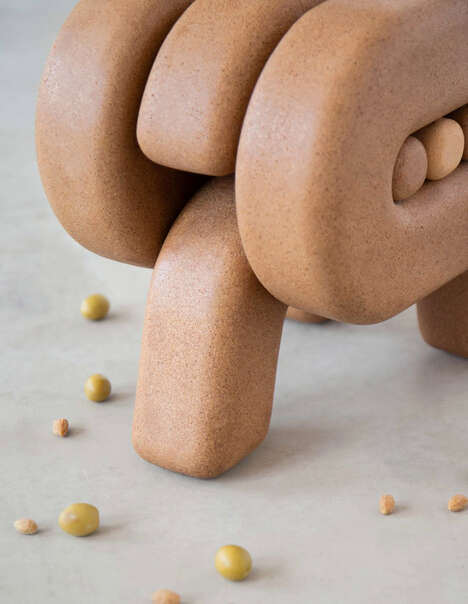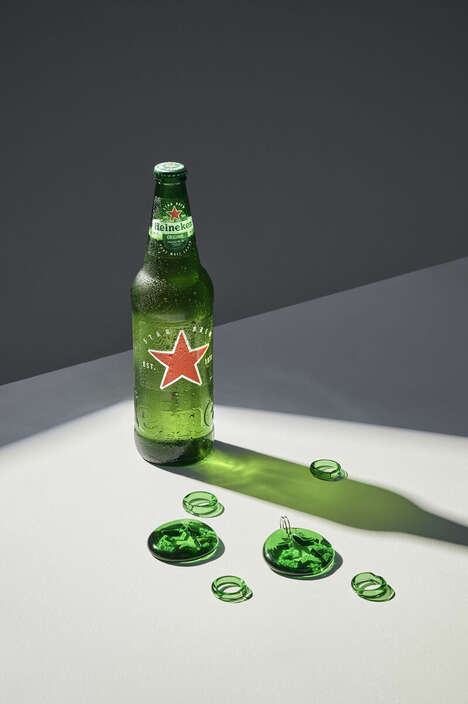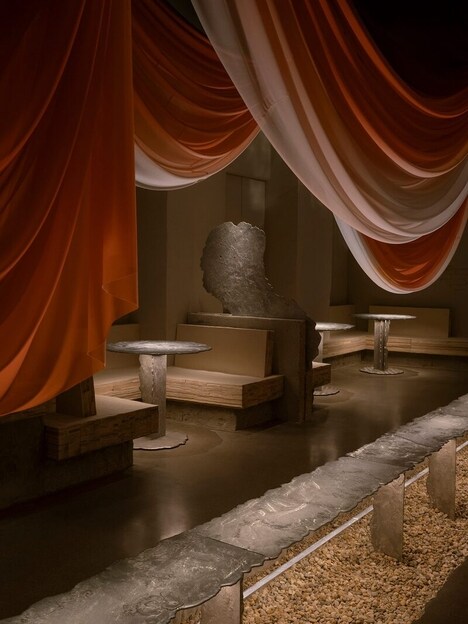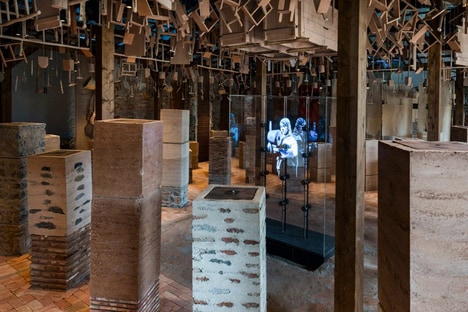
Spanish architect and designer Omayra Maymó created Malta I, a four-tier plinth commissioned by Heineken that is made with barley leftover from the brewing process. The upcycled pedestal consists of a series of stacked brick-like forms that were created by combining the barley waste with cement. This combination of materials yields a lighter-than-usual version of cement that has the potential to reduce the carbon emissions associated with traditional cement manufacturing processes.
In between these hybrid barley and cement blocks, there are lightweight glass tiers that help to aesthetically break up the design and also serve a functional purpose, as they can be used for storing small objects.
Image Credit: Omayra Maymó, Alberto Santomé
What Makes This Trend Stand Out
- Upcycling in Design
- Using waste materials to create functional and aesthetically pleasing designs, such as Omayra Maymó's barley waste pedestals, can tap into consumers' desire for sustainable products and reduce carbon emissions.
- Hybrid Materials
- Combining unconventional materials, such as barley waste and cement, to create lightweight and environmentally friendly products has the potential to disrupt traditional manufacturing processes.
- Sustainable Materials
- The use of sustainable materials in design, such as barley waste, can appeal to environmentally conscious consumers and provide opportunities for innovative and eco-friendly product development.
Sectors Adopting This
- Brewing Industry
- The brewing industry can explore using their waste products, such as leftover barley, to create innovative and sustainable products.
- Architecture & Design Industry
- Using unconventional and sustainable materials, such as barley waste, can provide architects and designers with opportunities to create unique and eco-friendly structures and products.
- Construction Industry
- Incorporating sustainable and lightweight materials, such as hybrid barley and cement blocks, can disrupt traditional building methods and reduce carbon emissions.