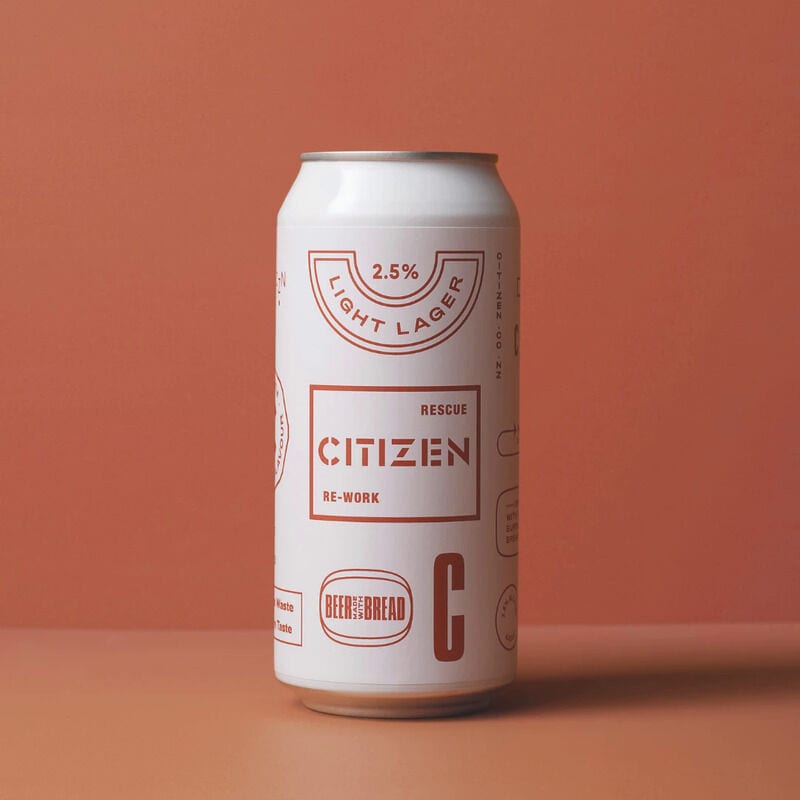
A New Zealand company, Citizen, joins the up-cycling food trend by developing an innovative process that turns unsold food into an essential ingredient for beer making process.
The process goes as such; Citizen will pickup day old, stale bread from nearby supermarkets and bring it to their facilities. There, a custom built machine will process leftover food and turn it into a raw ingredient for beer making. Through this environmentally and socially responsible approach, Citizen can turn 280 loaves of bread into a single batch of beer resulting in a 25% fewer malted barley in brewing tanks.
As a result of its actions, Citizen has been at the forefront of the up-cycling movement and leading the industry on how to best leverage up-cycled ingredients within a manufacturing process. By drinking one of their three beers; Hazy IPA, Pale Ale, and Light Lager, you can also participate in the up-cycling movement and save our planet.
What's Driving This Trend
- Upcycling Food
- Citizen's bread surplus beer showcases the potential for upcycling food to create new products and disrupt traditional manufacturing processes.
- Eco-friendly Beer
- Citizen's environmentally responsible approach to brewing beer highlights a trend toward eco-conscious consumer products.
- Socially Responsible Manufacturing
- Citizen's use of upcycled ingredients is an example of a trend toward socially responsible and sustainable manufacturing practices.
Who This Affects Most
- Brewing
- The brewing industry has an opportunity to follow Citizen's lead by exploring creative ways to incorporate upcycled ingredients into their beer making process.
- Food Waste Management
- Citizen's innovative process could inspire companies in the food waste management industry to explore new solutions for reducing waste and creating sustainable products.
- Sustainability
- Citizen's approach to brewing highlights a trend toward creating sustainable products and could inspire companies in a variety of industries to adopt similar practices.