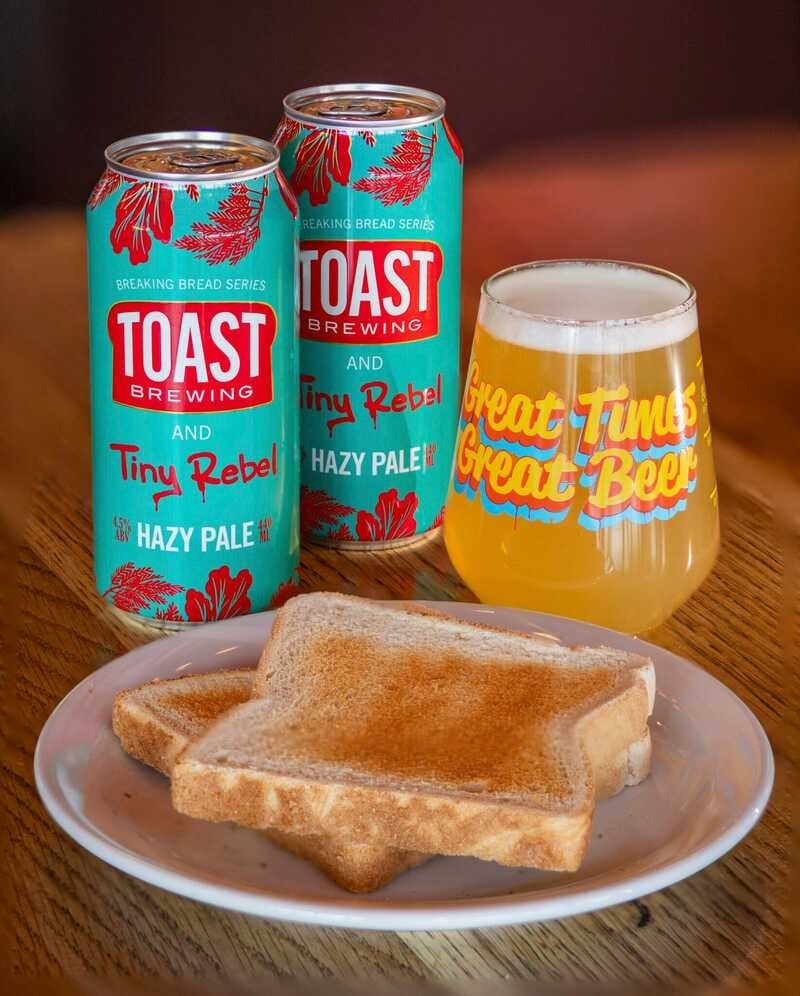
Toast Brewing and Tiny Rebel announced a new partnership for an unexpectedly sustainable libation perfect for consumer in the UK to try out this season.
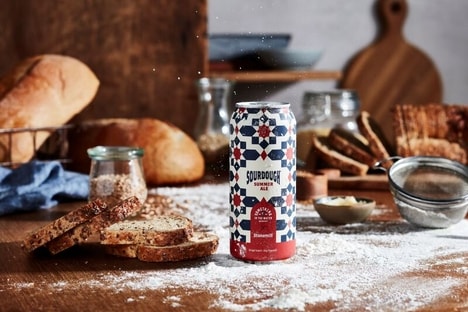
The beer boasts a Hazy Pale Ale profile and is brewed with 19,000 slices of surplus bakery bread sourced from suppliers in the UK. The bread used in the recipe replaces some of the malted barley, which in turn reduces the carbon footprint of the libation, while Mosaic and ID-7 hops were used for notes of citrus and pineapple in every sip. The beer is launching now at more than 500 Co-op locations in the UK as an exclusive.
Co-Founder at Toast Brewing Rob Wilsons spoke on the Toast Brewing and Tiny Rebel beer saying, "This beer series is all about connecting people – across the bar, across the brewing industry, and across communities – to raise a Toast to planet Earth. We’re thrilled to be kicking off the Breaking Bread series with Tiny Rebel, and to be bringing it to beer-lovers exclusively via Co-op.”
What's Driving This Trend
- Surplus Bread Utilization
- Utilizing surplus bread in brewing presents a sustainable method for reducing food waste and decreasing production costs.
- Carbon Footprint Reduction in Brewing
- Reducing reliance on traditional ingredients like malted barley helps lower the carbon footprint of beer production.
- Community-driven Alcoholic Beverages
- Collaborations focused on community engagement and sustainability are transforming the alcoholic beverage market.
- Community-driven Alcoholic Beverages
- Collaborations focused on community engagement and sustainability are transforming the alcoholic beverage market.
Who This Affects Most
- Sustainable Brewing Industry
- Incorporating eco-friendly practices, such as using surplus ingredients, positions sustainable brewing at the forefront of the industry.
- Grocery and Retail Partnerships
- Exclusive partnerships with retailers amplify the reach of innovative products like sustainable beers.
- Food Waste Management
- Transforming waste into valuable products disrupts traditional food waste paradigms and creates new economic opportunities.