
Category
Lifestyle
Gifted Vessels
What's Happening
Soy-Free: Vegan brands are becoming increasingly inclusive, now with tofu and tempeh options that are made without soybeans. Made from alternatives like hemp and lupini beans, these options cater to people with soy allergies.
Insight
As alternative ingredients become more sophisticated in format, texture and flavor, consumers increasingly expect that brands cater to their specific dietary allergies, intolerances, and preferences. The more adaptable and niche a brand is in the people it's catering to, the more loyal their customer base will be.
Evidence
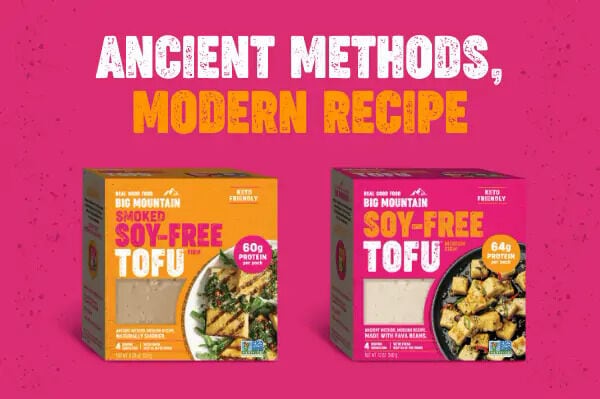
Big Mountain Foods Launched a First-of-its-Kind Tofu with Fava Beans
Food manufacturers can leverage fava beans to create innovative and healthier meat and tofu products.
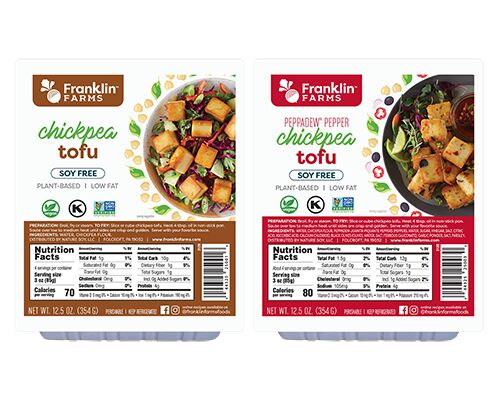
Franklin Farms Chickpea Tofu is Plant-Based and Non-GMO
Manufacturers of food products can explore incorporating chickpeas and other plant-based ingredients into their products to offer more diverse options for consumers.
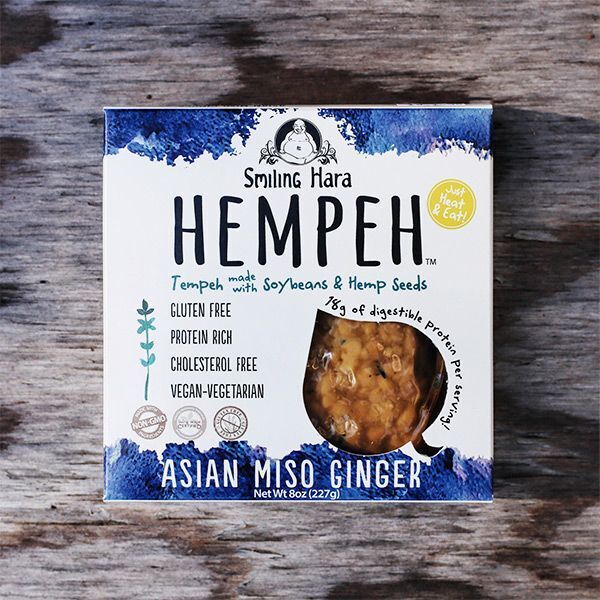
Smiling Hara Created Ready-to-Heat Soy-Free Tempeh Options
The plant-based food industry presents disruptive innovation opportunities for companies like Smiling Hara that are challenging the traditional meat and dairy industries.
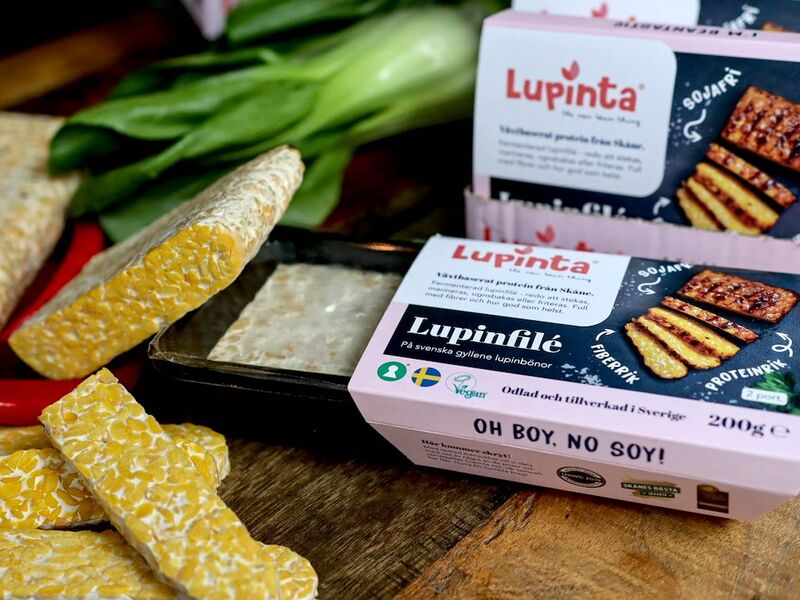
Lupinita's Alternative Tempeh is Made with Lupini Beans
Companies in the plant-based food industry can take advantage of the trend towards soy-free protein sources by developing lupini bean-based products, like tempeh and other meat al…
Workshop question
How could your brand prioritize its customers' most specific needs?
Trend themes
Brands are exploring alternative ingredients like lupini beans, chickpeas, and fava beans to create soy-free options that cater to consumers' specific dietary allergies and preferences.
Smiling Hara's pre-seasoned Hempeh line is an example of how brands are releasing products that are easy to use and require minimal prep time, catering to busy consumers who prioritize convenience.
By catering to specific dietary needs and preferences, brands are able to establish a loyal customer base that values companies that create products tailored to their individual needs.
Industry implications
Food manufacturers can explore alternative protein sources and create ready-to-heat products to cater to busy consumers who prioritize convenience and flavor.
Plant-based meat alternative companies can experiment with alternative ingredients, like lupini beans, chickpeas, and fava beans, to create soy-free options that cater to a variety of dietary restrictions and preferences.
The health and wellness industry can benefit from alternative protein sources that cater to a variety of dietary needs and preferences while still providing essential nutrients to promote overall health.
Trend signals
Trend score 3.2 out of 10, from popularity 57%, activity 29%, freshness 12%.