

Gen Z prioritizes value-driven experiences while maintaining future financial security
Trend - Young consumers are embracing "soft saving" strategies that balance immediate experiential spending with long-term financial planning. This generation opens dedicated experience funds alongside retirement accounts, uses detailed spreadsheets to compare thousands of flight options, and prioritizes day trips and shorter getaways to maximize value while minimizing cost.
Insight - Gen Z has witnessed multiple economic crises and observed their parents sacrifice experiences for financial security, often without achieving the promised stability. This has created a fundamental shift in how young consumers view money management. Rather than choosing between financial responsibility and life experiences, they're engineering a third option that delivers both. This generation understands that traditional saving strategies may not guarantee future security, so they're prioritizing mental health and memorable experiences.
Insight - Gen Z has witnessed multiple economic crises and observed their parents sacrifice experiences for financial security, often without achieving the promised stability. This has created a fundamental shift in how young consumers view money management. Rather than choosing between financial responsibility and life experiences, they're engineering a third option that delivers both. This generation understands that traditional saving strategies may not guarantee future security, so they're prioritizing mental health and memorable experiences.
Workshop Question - How could your brand help consumers optimize their spending to achieve both immediate satisfaction and long-term security?
Trend Themes
-
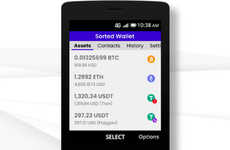
AI-assisted Personalized Finance — The adoption of AI-driven solutions like PortfolioGPT demonstrates a shift towards personalized and automated financial management tools that cater to individual needs and goals.
-
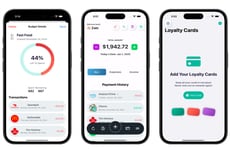
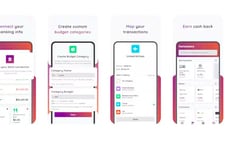
Gamified Financial Management — Platforms such as Tale are redefining personal finance by incorporating gamification elements to motivate users in maintaining healthy financial habits and incentivizing budget adherence.
-
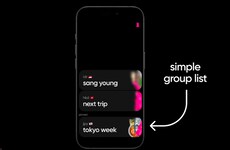
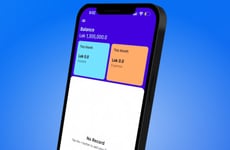
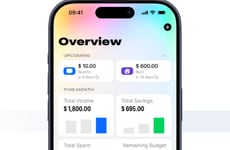
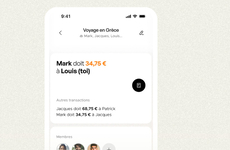
Minimalist Financial Tool Design — The rise of apps like Fuku reflects a growing demand for simple, intuitive financial tools that prioritize user-friendly interfaces and ease of use over complexity.
Industry Implications
-
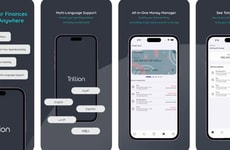
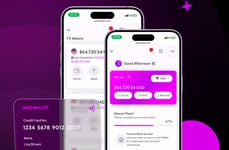
Fintech — Fintech innovations such as smart portfolio builders and budgeting apps are radically transforming how individuals engage with personal finance, offering new ways to manage money securely and conveniently.
-
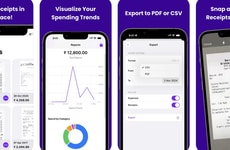
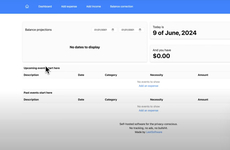
Mobile App Development — The surge in digital finance tools like ReceiptSnap highlights a thriving industry focused on enhancing mobile experiences in expense tracking and financial management.
-
Personal Finance and Budgeting — The increasing popularity of apps focusing on spending transparency and budget gamification marks a significant shift in consumer behavior towards proactive financial self-management.