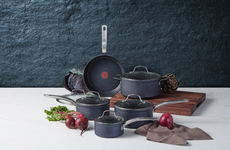


Cookwear brands are creating chemical-free products for improved health
Trend - Manufacturers launch cookware lines stripped of synthetic coatings utilizing materials such as tri-ply stainless steel, cast iron, carbon steel, and 100% ceramic. With PFAS-free construction and seamless welding, these designs promise chemical-free searing and enhanced durability.
Insight - Home cooks and chefs are alarmed by 'forever chemicals' leaching into prepared foods, while brands simultaneously face tightening PFAS bans from various levels of government in western countries, driving demand for non-toxic cookware. This, combined with the pressure to reduce waste and replacement costs, leads to users seeking surfaces that deliver even heat, durability, and easy maintenance without toxic trade-offs.
Insight - Home cooks and chefs are alarmed by 'forever chemicals' leaching into prepared foods, while brands simultaneously face tightening PFAS bans from various levels of government in western countries, driving demand for non-toxic cookware. This, combined with the pressure to reduce waste and replacement costs, leads to users seeking surfaces that deliver even heat, durability, and easy maintenance without toxic trade-offs.
Workshop Question - How can we innovate to meet growing consumer demand for health-conscious, sustainable products while ensuring high performance and ease of use?
Trend Themes
-
Pfas-free Cookware Revolution — The growing consumer preference for non-toxic, chemical-free cookware is reshaping the market as brands innovate to eliminate PFAS and similar substances.
-
Durability-driven Design — Consumers' increasing demand for long-lasting and versatile cookware is promoting the development of products made from durable materials like titanium and tri-ply structures.
-
Sustainable Material Innovation — The shift towards sustainable and recyclable materials exemplifies the market's commitment to reducing environmental impact and enhancing product lifecycles.
Industry Implications
-
Cookware Industry — The cookware sector is evolving towards eco-friendly and health-conscious offerings in response to increased awareness of chemical hazards and environmental concerns.
-
Consumer Health and Wellness — The health and wellness industry's focus on reducing exposure to harmful substances is driving demand for safer kitchen products that promote a toxin-free lifestyle.
-
Sustainable Manufacturing — Incorporating eco-conscious practices in manufacturing has become essential to meet consumer expectations for sustainability and reduce the industry's carbon footprint.
4 Featured, 22 Examples:
20,643 Total Clicks
Date Range:
Dec 24 — Jul 25
Trending:
Warm
Consumer Insight Topics: