
Category
Tech
Automated Upkeep
Innovations that embrace the human nature of mistakes.


Trend
Camouflaging Awkward: Consumers are embracing the unavoidable fact that humans err, and are even going so far as to turn awkward moments into entertainment. Innovations that foster the embrace of mistakes or put a comical spin on once-taboo situations make light of the human experience.
Trend themes
Consumers are embracing the unavoidable fact that humans err, and are even going so far as to turn awkward moments into entertainment.
Personalization is taken to a new level by adding intentional imperfections, stains, and marks to consumer products such as shoes, clothes, and napkins.
Innovations that add an element of humor to otherwise taboo or uncomfortable situations make light of the human experience.
Industry implications
Innovation opportunities include intentionally imperfect garments, shoes, and accessories that appeal to consumers seeking unique and distinctive products.
This trend presents opportunities in developing intentionally imperfect home decor products that appeal to consumers seeking something unique and unexpected.
Not only food and beverages themselves, but also napkins and cutlery can be revolutionized by implementing permanent stains that allow for quirky designs and practical use.
Trend signals
Trend score 2.7 out of 10, from popularity 44%, activity 28%, freshness 8%.
Evidence
Ethel Verduzco Takes Mysteriously Marked Snapshots
Disruptive innovation opportunity: Creating photography tools or software that simulate stains and imperfections in photos for artistic purposes.
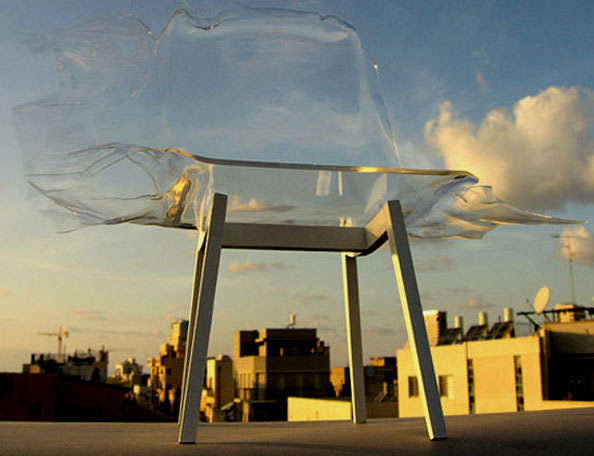
Torn 'Fracture' Chairs by Itay Ohaly Are Made of Broken Benches
The trend of intentionally smashed seating offers opportunities for furniture designers to create innovative and eco-friendly pieces.
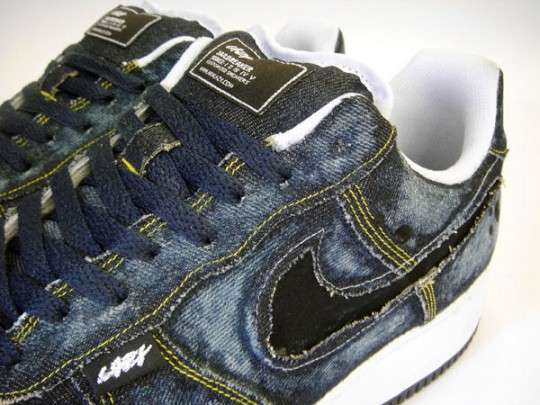
Customized Nike Air Force 1s with Dirty Distressed Denim
Opportunity for footwear companies to offer customizable and unconventional designs to meet consumer demand for unique fashion statements.
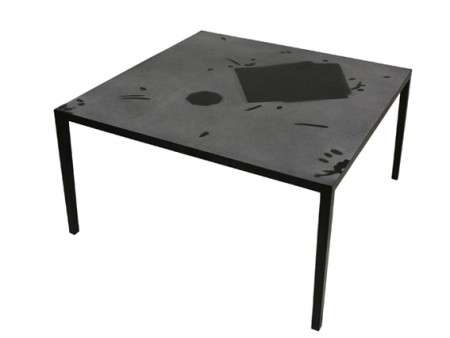
The Intentionally Dusty Table Will Never Have to Be Cleaned
Manufacturers can tap into the trend of unconventional design and create furniture that defies expectations.
The Red Wine Ring Cocktail Napkins For Clumsy Drinkers
Hotels and restaurants can provide pre-stained napkins as a unique and convenient dining experience for their customers.
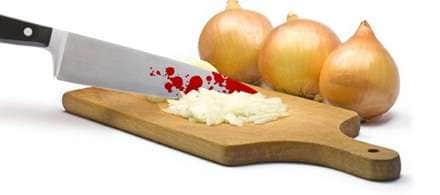
The Evidence Chef's Knife Makes For Bloody Food Preparation
Innovations in food presentation, packaging, and marketing to cater to the growing interest in shock value and horror-themed food experiences.