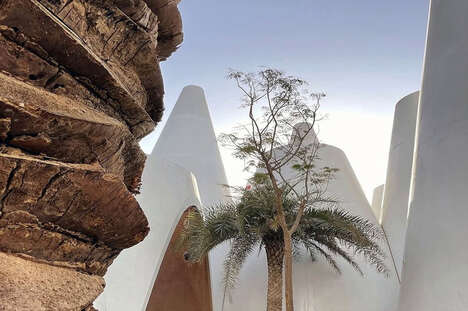
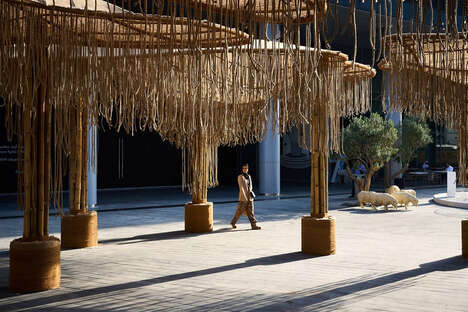
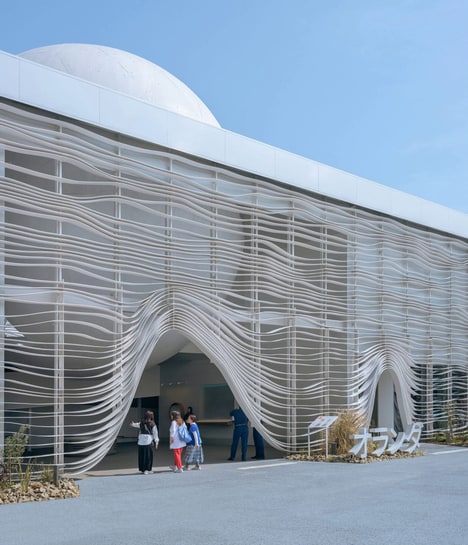
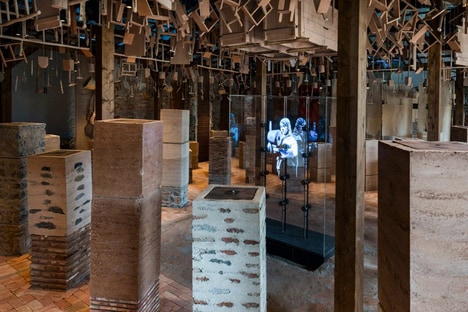
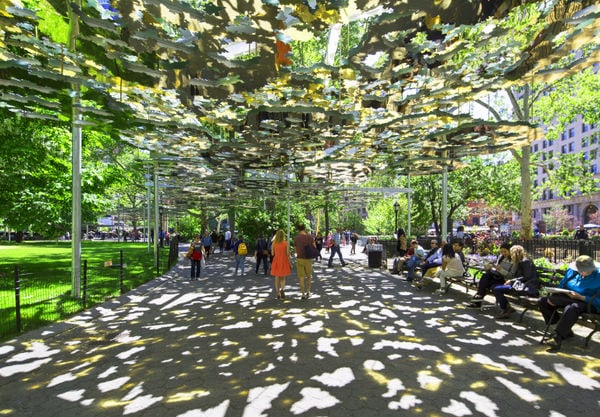
In response to a need for a United Arab Emirates' UAE pavilion, global architect and design firm Foster + Partners have developed a plan that aims play a role in the 2015 Milan Exposition. The structure will occupy over 4,386 square meters. Inspired by the traditional city, the site design focuses on creating a compact structure that includes refuge under shaded streets to create the experience of exploring the ancient city.
Upon entering, visitors are drawn in between twelve meter high walls that form a labyrinth like path, with gentle weaves and curves that partition the structure recreating the undulating sand dunes in the desert-based architecture.
Visitors are fitted with a personal tablet to interact and educated themselves with their surroundings as they meander through the pathways. The path leads to the central three story auditorium where it houses a cafe at the ground level, a formal restaurant and a rooftop garden.
Why This Trend Is Growing
- Interactive Architecture
- The use of personal tablets to interact with surroundings offers opportunities for innovative and engaging architectural designs.
- Compact Structures
- Creating compact structures that mimic natural formations like sand dunes opens up possibilities for sustainable and efficient use of space.
- Shaded Streets Design
- Designing shaded streets within architectural structures can provide visitors with unique and immersive experiences.
Industries Being Reshaped
- Architecture and Design
- Architects and designers can explore the potential of interactive technology to enhance the visitor experience.
- Hospitality
- Restaurants and cafes within architectural structures can leverage the appeal of unique and immersive spaces.
- Tourism
- Creating compact and visually stunning structures can attract tourists looking for unique architectural experiences.