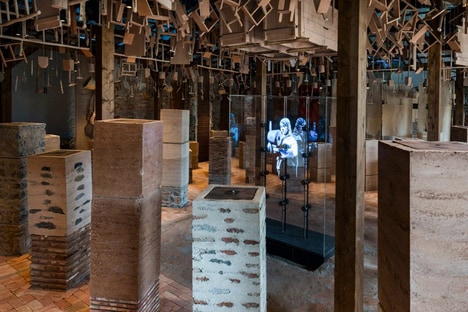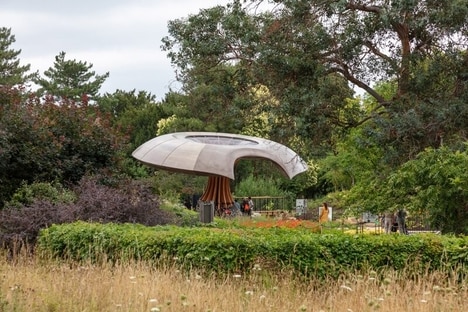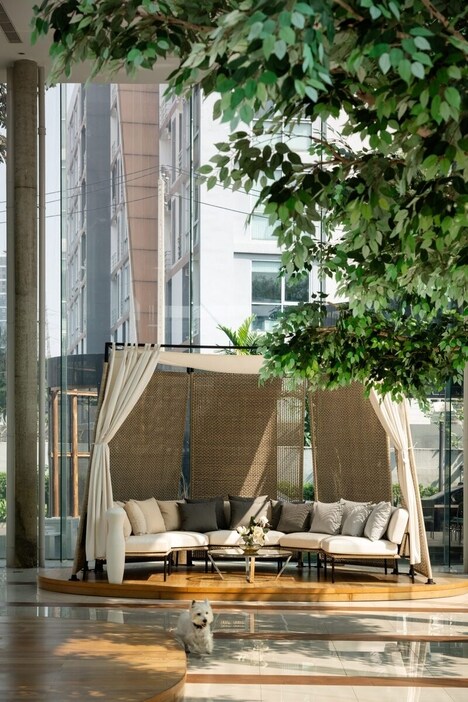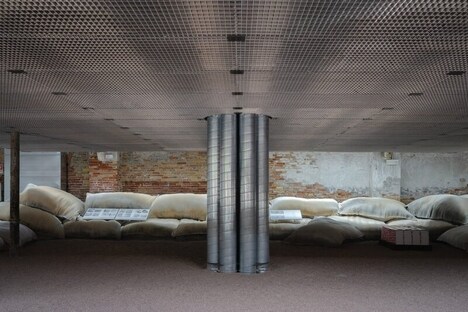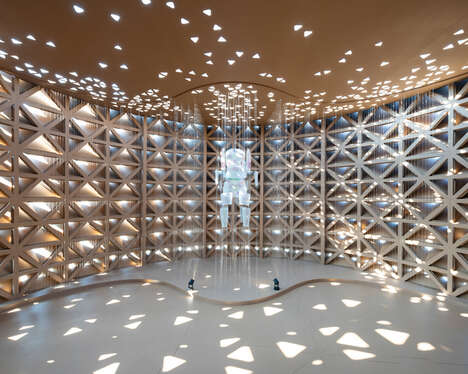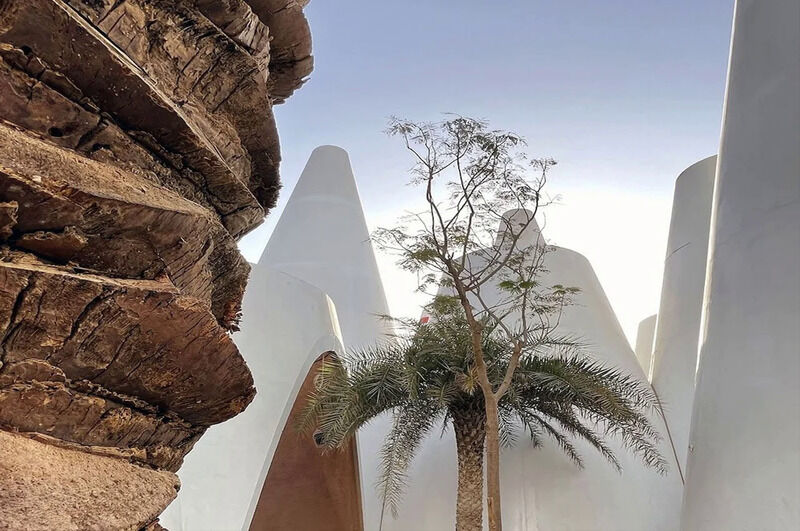
Designer Querkraft introduces its new Austrian pavilion which is made with inspiration drawn from the look and functions of iconic wind towers and its climate regulations. It has traditional Arab architectural themes that are usually made from clay.
The building itself is multi-sensory and is made up of 38 cones intersecting one another at a range of heights. Due to the inspiration behind the structure, it relies on natural air conditioning and is placed along three green courtyards that are integrated with a water mist system to regulate the climate. During the night time, the space cools down due to the use of clay and concrete absorbing the coolness and releasing it throughout the day.
Image Credit: Querkraft
Key Themes Behind This Trend
- Multi-sensory Pavilions
- Designing pavilions that offer multiple sensory experiences can improve overall engagement and create new opportunities for event spaces and brand activations.
- Natural Air Conditioning
- Exploring and implementing natural ventilation systems in building design can reduce energy consumption and contribute to carbon-neutral structures.
- Integration of Climate Control Systems
- Combining natural ventilation and climate control systems can offer more efficient and effective means of regulating temperature and air quality.
Where This Applies
- Architecture and Design
- Developing innovative building designs that prioritize sustainable practices can attract clients seeking to differentiate themselves in the market.
- Event Planning and Experiential Marketing
- Incorporating multi-sensory pavilions and sensory design elements can enhance the overall experience for attendees and create new opportunities for brands to connect with consumers.
- Sustainability and Green Technology
- Implementing natural climate control systems and other environmental features can support the growth of a more sustainable and eco-friendly built environment.