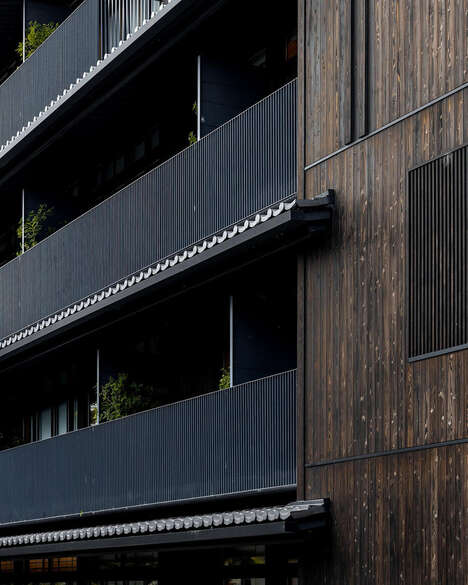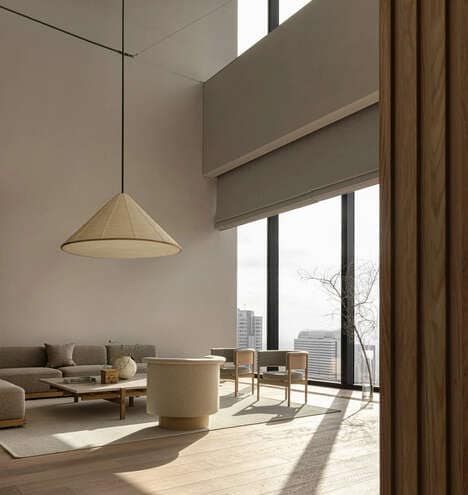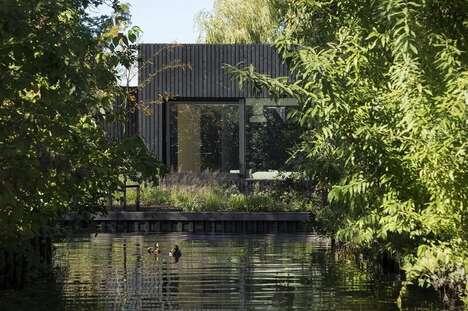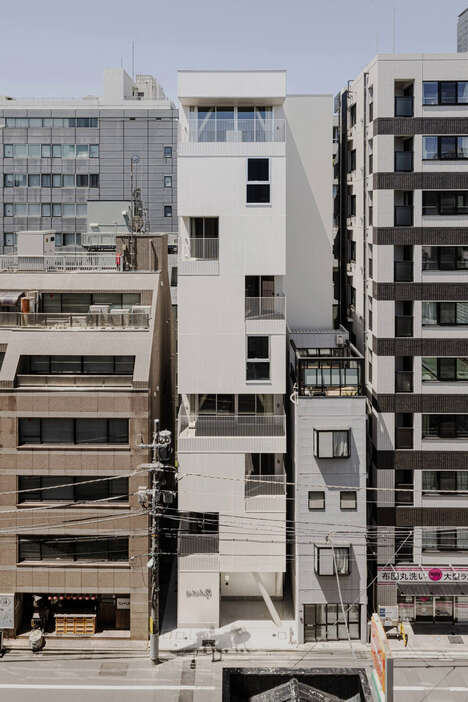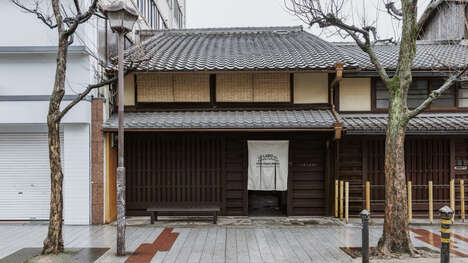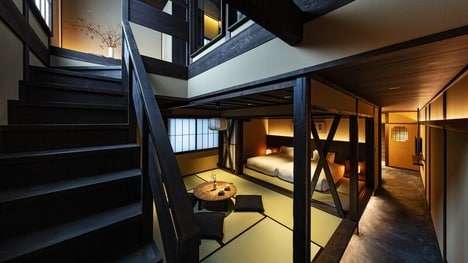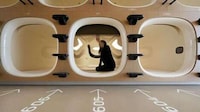

A famous Tokyo capsule hotel has been completely redesigned by Schemata Architects.
Capsule hotels originally became popular in 1970s Japan, offering a cheaper travel alternative while still creating a modern experience. The eight-storey Shibuya hotel started as a small, plain, boutique capsule hotel but these Tokyo-based architects have turned it into a contemporary tourist destination. The team created a new interior and upgraded previous capsules by adding plywood cabinetry, dark floors and plain, plastic furniture. The biggest addition to the interior of the building was the addition of the technologically advanced saunas. This hotel offers stays from weeks, to even hours, giving the traveler maximum flexibility.
The newly redesigned Tokyo capsule hotel is open now.
Why This Trend Is Growing
- Redesigned Capsule Hotels
- There is an opportunity to redesign and modernize traditional capsule hotels, offering a more contemporary and appealing travel experience.
- Technologically Advanced Saunas
- Incorporating advanced technology into saunas can provide a unique and luxurious experience for hotel guests, creating a disruptive innovation in the hospitality industry.
- Flexible Stays
- Offering flexible stay options, from weeks to hours, can attract a wider range of travelers and disrupt the traditional hotel booking model.
Industries Being Reshaped
- Hospitality
- The hospitality industry can benefit from adopting the concept of redesigned capsule hotels to attract modern travelers looking for unique and affordable accommodations.
- Tourism
- The tourism industry can explore incorporating technologically advanced saunas in hotels to enhance the overall guest experience and differentiate themselves from competitors.
- Interior Design
- The interior design industry can seize the opportunity to create innovative and functional designs specifically tailored for capsule hotels, enhancing the overall aesthetic appeal and functionality of these compact accommodations.