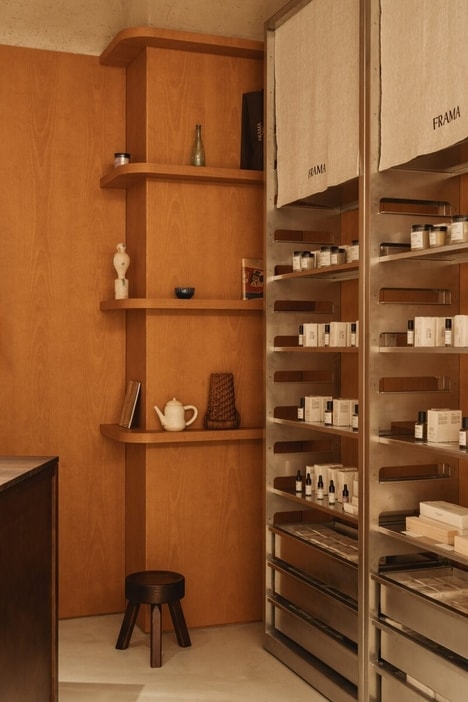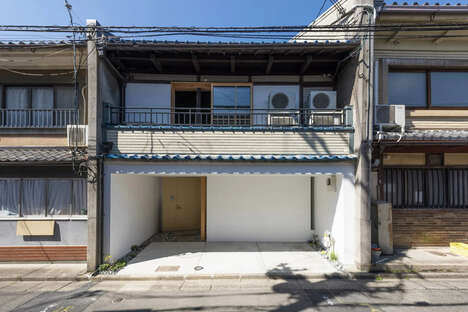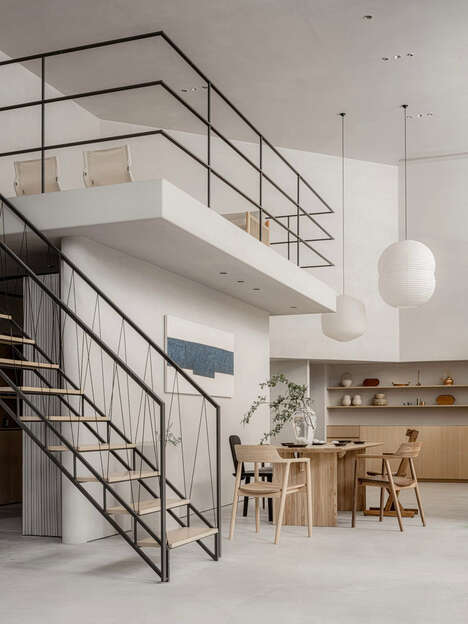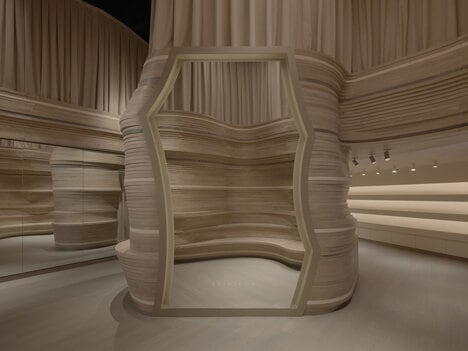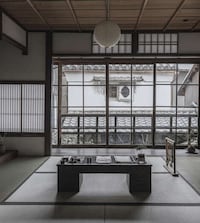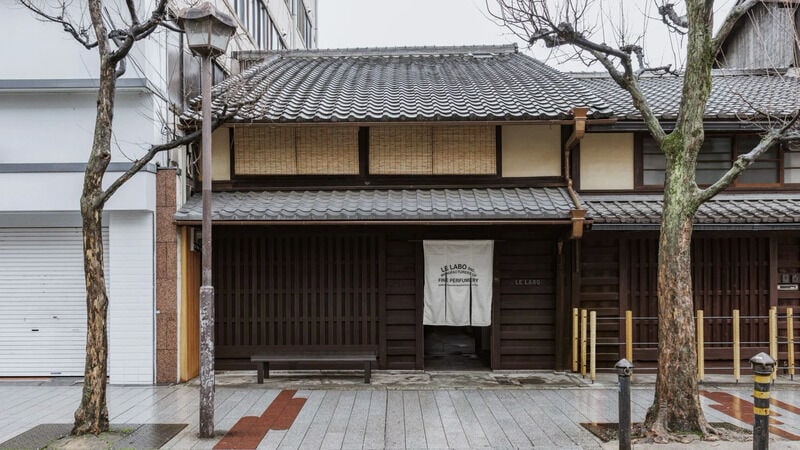
Tokyo-based design studio Schemata Architects has taken on the project of creating a Le Labo flagship space which blends elements of Japanese and Western design together. It is all nestled in a traditional wooden townhouse in the city which is also known as a machiya. It is transformed to feature the brand's finishes while still honoring the core of the 145-year-old architectural space.
The founder of Schemata Architects, Jo Nagasaka shares with Dezeen, "How can a brand born and loved in the USA, a country with a culture of shoes-on, be in step with the values of traditional Japanese architecture, a culture of shoes-off, and blend in with Japanese culture? The project was a struggle between the two."
Image Credit: Le Labo
What Makes This Trend Stand Out
- Cultural Fusion Retail Spaces
- Blending elements of Japanese and Western design in retail spaces creates unique consumer experiences that bridge cultural aesthetics.
- Adaptive Reuse Architecture
- Transforming traditional buildings like machiyas into modern retail venues preserves historical architecture while meeting contemporary commercial needs.
- Brand Identity Localization
- Incorporating local architectural and cultural elements into global brand stores enhances brand relatability and appeals to regional markets.
Sectors Adopting This
- Retail Design
- Innovative retail spaces that merge different cultural designs offer fresh shopping experiences and attract diverse consumer groups.
- Historical Preservation
- Reviving ancient structures for modern use maintains cultural heritage and provides unique, sustainable venues for businesses.
- Global Branding
- Integrating local cultural elements into international flagship stores strengthens brand presence and resonance within local communities.