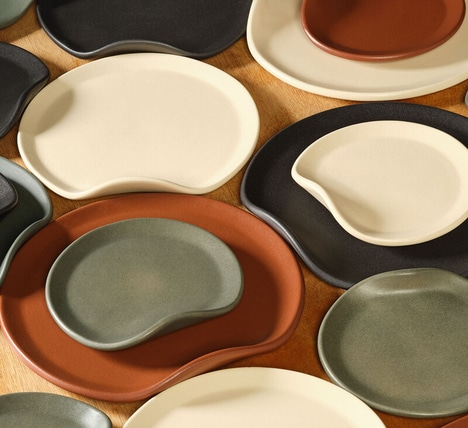
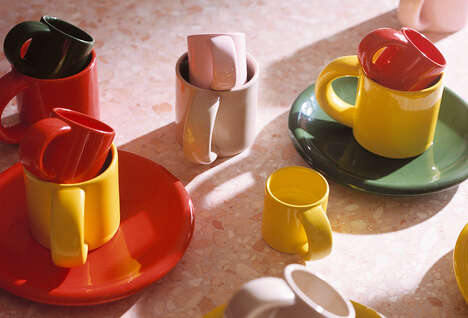
Ceramicists aren't known for working in a particularly stressful, high-pressure industry, but the Splatware collection makes use of high-pressure industrial machines to create beautiful ceramics. The collection, which is part of a collaboration between UK design studios Assemble and Granby Studio, is made by pressing clay between a high-powered industrial press that pushes out 11,000 pounds of pressure.
Splatware's unique construction technique is far from a gimmick. The industrial machine allows for each piece of dishware in the collection to be entirely unique from one another while still allowing for hundreds of dishes and mugs to be fired at a relatively low cost of labor. Indeed, all the ceramicists need to do is decide on a general pattern, then place a blob of clay into the machine and let pressure take care of the rest.
Key Themes Behind This Trend
- High-pressure Manufacturing
- The use of high-pressure industrial machines in manufacturing processes, like the Splatware collection, offers unique and customizable products.
- Unique Mass Production
- The Splatware collection showcases how industrial machines can produce large quantities of ceramic dishware with individualized designs.
- Low-cost Labor Efficiency
- By utilizing high-powered industrial presses, the Splatware collection demonstrates a cost-effective labor process for creating hundreds of unique ceramics.
Where This Applies
- Ceramics Manufacturing
- The ceramics industry can explore the use of high-pressure industrial machines to create customizable and cost-effective products.
- Industrial Design
- The field of industrial design can incorporate high-pressure manufacturing techniques to produce uniquely crafted and mass-produced products.
- Tableware Retail
- Tableware retailers can capitalize on the trend of unique mass production to offer customers a wide range of individually designed dishware collections.