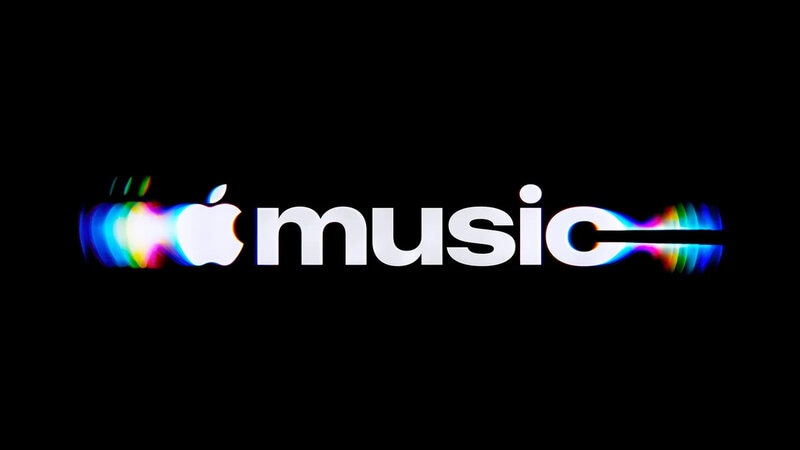
Apple Music is introducing a sound-built brand identity for listeners, pairing a refreshed wordmark with a short audio signature that gives its shows and events a cue people can hear and recognize. Developed with TBWA\Media Arts Lab, Fred again.., and Nest Acoustics, the system centers on ripple forms created from the music itself.
A transducer, a device that turns sound into vibration, was used to shape the pattern, so the sonic logo and its visual counterpart come from the same source. Mineral oil gave the filmed waves a glass-like look, helping the updated chunky SF Pro wordmark remain readable. It begins appearing in Apple Music's own shows and events this week, then expands to broader brand surfaces later.
A sound-built identity gives Apple Music a cue that works across screens and stages. It makes a streaming brand easier to recognize beyond the app.
Image Credit: Apple
Why This Trend Is Growing
- Sonic Brand Systems
- Audio signatures paired with visual assets create multisensory brand recognition across apps, events, ads, and platform-native content.
- Data-generated Visual Identity
- Brand marks derived from sound waves, vibrations, or usage signals introduce adaptable design languages rooted in product behavior.
- Multisensory Streaming Experiences
- Music platforms are extending identity beyond interfaces through tactile, visual, and audio cues that reinforce loyalty in live and digital environments.
Industries Being Reshaped
- Music Streaming
- Recognition cues that travel across screens, shows, and live events create new differentiation for subscription-based audio services.
- Branding and Design
- Generative production methods using sound, motion, and physical materials are expanding how agencies build distinctive identity systems.
- Experiential Marketing
- Sonic and visual brand elements designed for stages, launches, and broadcast moments make sponsored experiences more memorable and ownable.