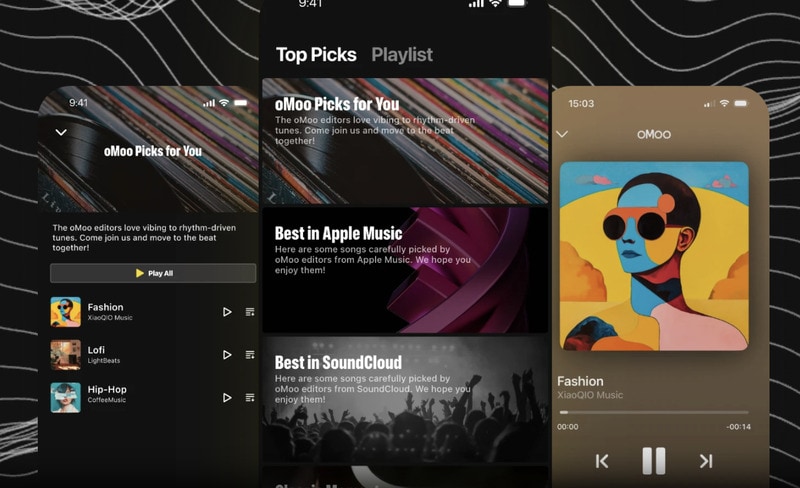
oMoo is an AI-driven haptic music platform designed to translate sound into physical sensations felt through a mobile device. Instead of relying solely on audio, the system converts elements such as rhythm, intensity, and texture into tactile feedback, allowing users to experience music through touch.
This approach broadens access to music engagement, particularly for individuals who are deaf or hard of hearing, while also offering new sensory experiences for general audiences. From a business perspective, oMoo represents an intersection of AI, accessibility technology, and experiential media. Its model highlights how software-based haptics can expand the usability of existing consumer hardware without specialized equipment. By rethinking how music is consumed, oMoo demonstrates how inclusive design and emerging interfaces can create differentiated digital products with broader social and commercial relevance.
Image Credit: oMoo
Key Themes Behind This Trend
- AI-driven Haptics
- An AI layer that maps audio features to tactile patterns creates new modalities for conveying musical nuance through touch, challenging traditional audio-only consumption.
- Multisensory Music Experiences
- By combining tactile feedback with sound, listeners can experience layered sensory representations of rhythm and texture that broaden emotional and perceptual engagement.
- Software-based Accessibility
- Haptic translation implemented in apps leverages existing mobile hardware to make music perceptible to deaf or hard-of-hearing users without requiring specialized devices.
Where This Applies
- Music and Entertainment
- Concerts, streaming platforms, and music publishers can be reshaped by tactile tracks and haptic-enabled content that offer differentiated audience experiences.
- Consumer Electronics
- Smartphone and wearable makers face opportunities to integrate advanced haptic rendering engines that elevate device value through experiential features.
- Accessibility and Assistive Technology
- Assistive tech providers could incorporate real-time audio-to-haptic translation as a new modality for content access and inclusive media design.