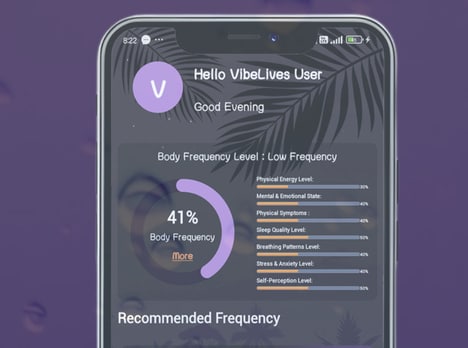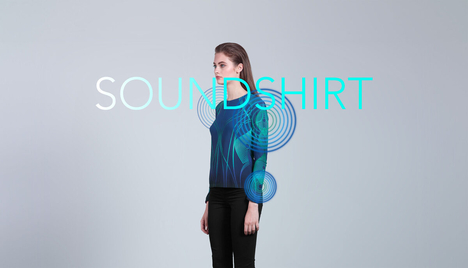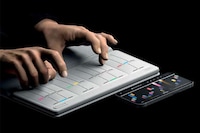
Brazilian network provider TIM launched TIM Vibe, a feature that converts audio into vibrations so that deaf and hard-of-hearing users have a new way to enjoy music. Developed in partnership with FBDSDF and Instituto Som Da Vida, TIM Vibe is available for free via the Meu TIM app, and makes the most of existing mobile technology. As such, without specialized or costly equipment, those with hearing impairments can experience sound waves from songs and concerts turned into vibrations for a more immersive experience.
Younger generations in particular want companies to prioritize accessibility and create experiences that everyone can enjoy, regardless of ability. Whether they're hanging out with friends or attending a live show, people have the potential to be united by the shared experience of physically feeling the beat.
Key Themes Behind This Trend
- Tactile Audio Experiences
- Converting audio into tactile vibrations offers a new multisensory experience for those with hearing impairments, fostering inclusivity in music enjoyment.
- Accessible Mobile Innovations
- Leveraging existing mobile technology allows for the development of novel accessibility features like TIM Vibe that are inexpensive and widely available.
- Inclusive Entertainment Solutions
- Creating accessible entertainment options can empower individuals with disabilities to participate in experiences that were previously unavailable to them.
Where This Applies
- Assistive Technology
- Innovations like TIM Vibe demonstrate how technology can transform the assistive devices sector by reducing the need for costly specialized equipment.
- Music and Entertainment
- The integration of tactile sound experiences provides a disruptive method for concerts and music events to engage a broader audience base.
- Mobile Application Development
- Developing apps with built-in accessibility features reflects the growing need for inclusive technologies in the software industry.