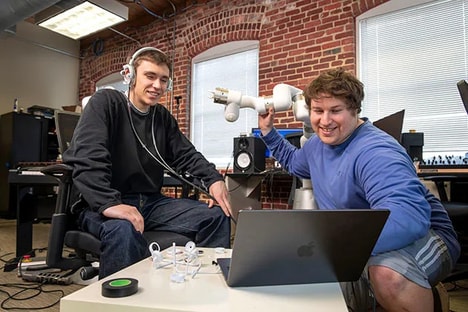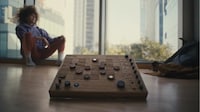
Soundbeam — a multi-award-winning assistive music technology — is now accessible through government funding. This development significantly lowers the financial barrier for institutions and individuals seeking to incorporate Soundbeam’s innovative capabilities into their creative process.
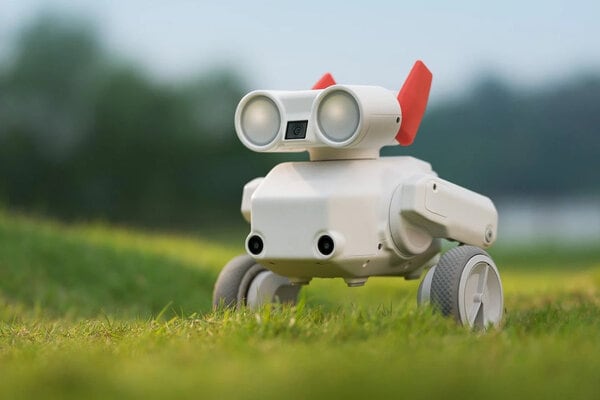
The core of the assistive music technology Soundbeam’s offering is a sophisticated, touch-free sensor device that translates physical motion into musical expression. The system captures any bodily movement, from a subtle finger twitch to a full arm sweep, and converts it into a corresponding musical note or sound effect. In doing so, Soundbeam effectively removes the physical prerequisites for music-making, granting users the ability to compose and perform simply by moving within the device’s sensor field. The appeal for consumers lies in the profound inclusivity of this approach, as it opens up the world of creative music production to individuals of vastly different abilities.
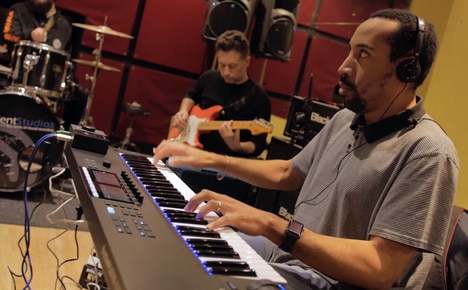
Soundbeam’s technology may also serve as a powerful tool for mainstream music educators, performers, and sound artists interested in experimental composition and novel forms of expression.
Image Credit: Soundbeam
Why This Trend Is Growing
- Assistive Music Interfaces
- Government-funded access to motion-based instruments signals a market for creative tools that decouple artistic participation from physical dexterity.
- Touch-free Performance
- Sensor-driven sound generation creates new space for inclusive concerts, therapeutic programming, and experimental composition without traditional instrument constraints.
- Funded Creative Accessibility
- Public reimbursement pathways position assistive arts technologies as scalable infrastructure for schools, care settings, and community programs.
Industries Being Reshaped
- Music Education
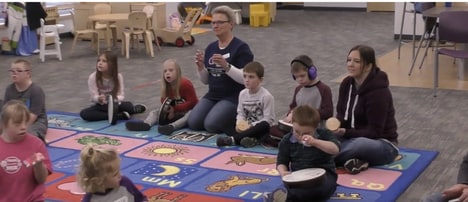
- Classrooms gain a pathway for adaptive curricula where students of varied mobility levels participate in composition and performance through movement.
- Assistive Technology
- Motion-to-sound platforms expand the category beyond functional support into expressive, wellness-oriented, and culturally engaging user experiences.
- Performing Arts
- Sensor-based performance formats blend accessibility, interactivity, and avant-garde sound design for venues, artists, and broader audiences.