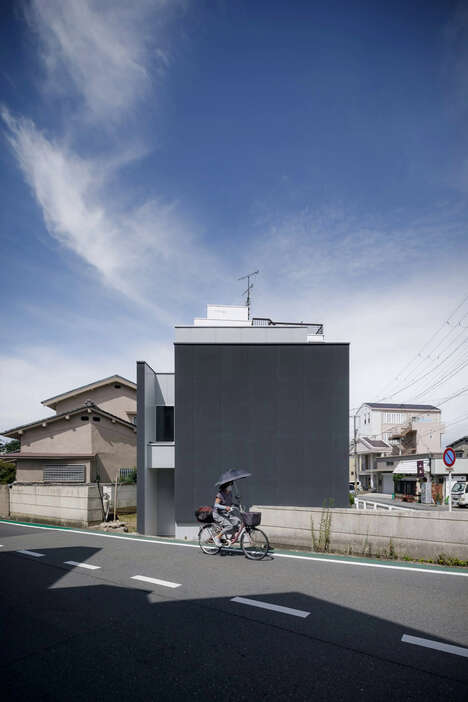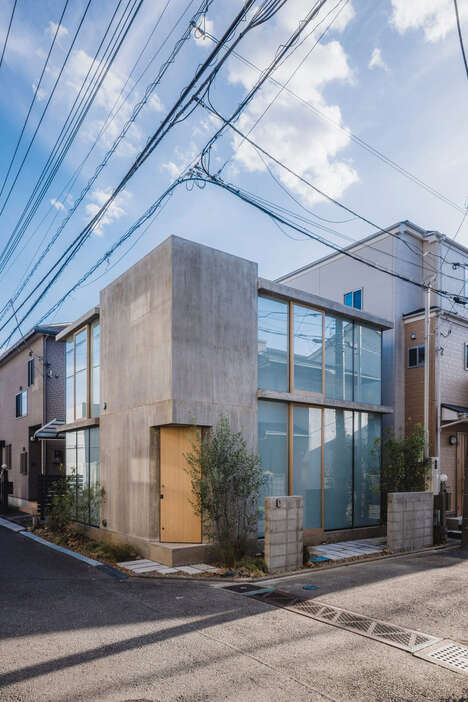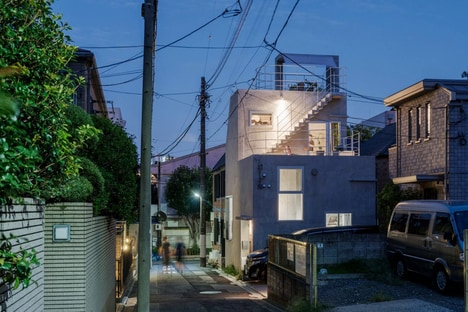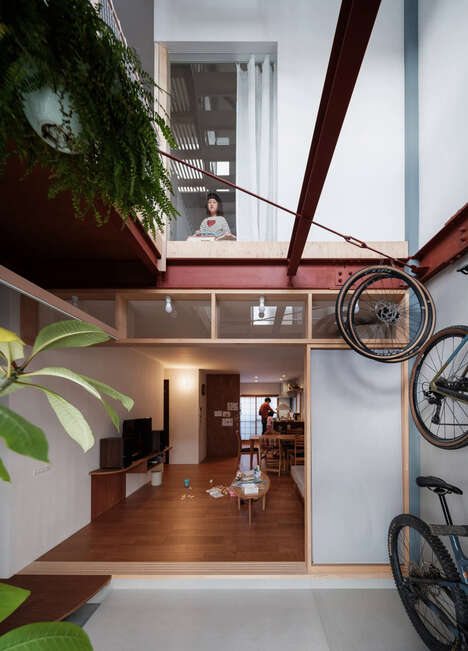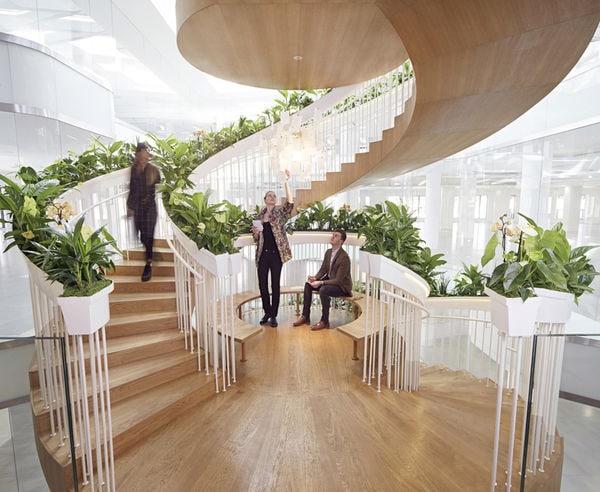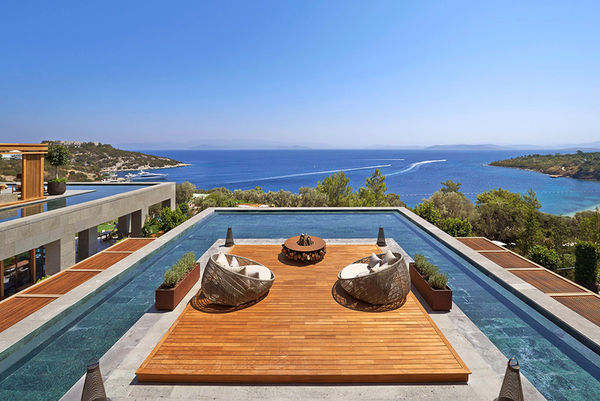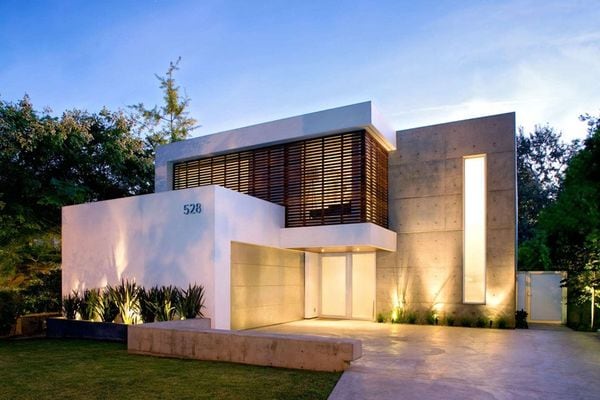
S-House is an extremely quirky residential property designed by Japanese architect Yuusuke Karasawa and located in the Japanese capital Tokyo. The house is filled with trippy staircases and has a transparent facade that neither promises nor delivers much privacy.
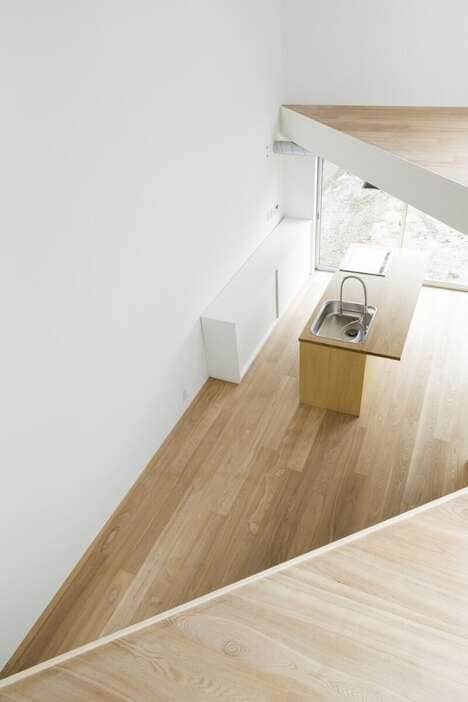
Thankfully, the home's master bedroom and bathroom are located in a basement that's located just below street level to offer some semblance of privacy. The rest of the interior -- which is unabashedly white -- is filled with trippy Escher-like interweaving staircases that must be navigated carefully to gain access to rooms on the building's five split levels.
The S-House's peculiar design is the result of Karasawa's response to the post-Internet era marked by limited privacy, and his desire to create a prototype of architectural space that fits in with the modern networking and open information age.
Why This Trend Is Growing
- Transparent Architecture
- Opportunity for designers to create unique and visually striking buildings that challenge the notion of privacy.
- Connected Space Design
- Designers can create spaces that align with the modern networking and open information age, promoting connectivity and collaboration.
- Quirky Interior Design
- There is a growing demand for unconventional and visually stimulating interior designs that break away from traditional norms.
Industries Being Reshaped
- Architecture and Design
- Architects and designers can embrace the trend of transparent architecture, creating innovative structures that blend functionality and aesthetics.
- Real Estate
- Real estate developers can offer unique and visually stunning properties that cater to individuals seeking unconventional living spaces.
- Furniture and Decor
- Manufacturers and retailers can tap into the demand for quirky and visually stimulating interior design by offering unconventional furniture and decor items.