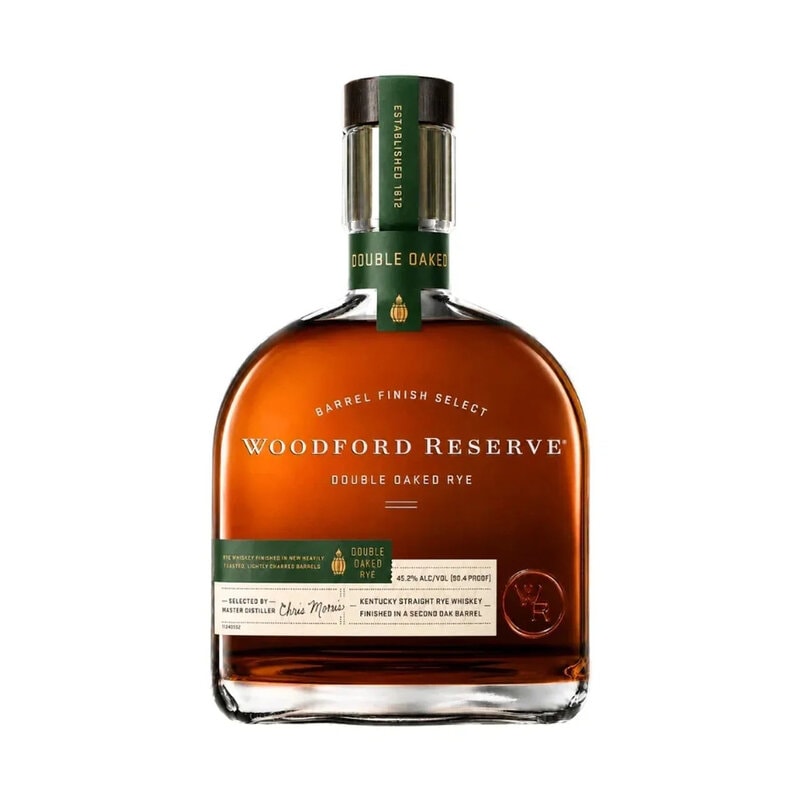
Woodford Reserve's Double Oaked Rye Whiskey applies the brand's two-barrel finish to Kentucky straight rye, giving rye drinkers a sweeter, deeper profile without losing the grain's spice. After its first maturation, the whiskey moves into a second new oak cask, so the added richness comes from barrel work rather than a proof boost.
The follow-up barrel is heavily toasted with a light char, pushing the whiskey toward darker caramel and coffee notes while keeping an herbal edge. Elizabeth McCall selected the release, and it is bottled at 90.4 proof. The 750ml bottle ships only within the United States, with pre-orders going out in early November 2026.
At $60, the U.S.-only pre-order gives rye buyers a way into Woodford Reserve's barrel-finishing style without hinging the pitch on higher alcohol. The second new oak barrel turns cask treatment into the main differentiator for rye.
Image Credit: Woodford Reserve
What Makes This Trend Stand Out
- Second-barrel Spirits
- Layered maturation methods are creating premium flavor differentiation through wood science rather than higher alcohol content or limited-age positioning.
- Sweetened Rye Profiles
- Rye whiskey is expanding beyond spice-forward expectations as producers use barrel treatments to introduce caramel, coffee, and dessert-like notes.
- Pre-order Whiskey Drops
- Direct advance releases are reshaping premium spirits access by turning scarcity, timing, and regional availability into part of the product experience.
Sectors Adopting This
- Whiskey
- Barrel-finishing experimentation is broadening category appeal by giving established labels new ways to refresh core styles without abandoning heritage cues.
- Alcoholic Beverages
- Flavor-led premiumization is increasing the importance of production techniques that communicate craft value beyond proof, age statements, or exclusivity.
- E-commerce
- U.S.-only pre-order models are making digital allocation and shipping restrictions central to how specialty alcohol products build anticipation and demand.