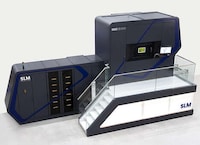
Should companies uncover methods of 3D printing with materials more durable than the soft plastics that get used in consumer printers, the technology could be a boon for industry as a whole, and Norsk Titanium has found just such a methodology. The company is able to 3D print titanium units, and it plans to use that system to generate airplane parts for the Boeing 787 Dreamliner jet airliner.
Norsk Titanium's 3D-printed airplane parts were recently approved for use by the Federal Aviation Authority after a rigorous testing phase. This approval is massive for Boeing, as the incredibly efficient manufacturing process has the potential to save the company between $2 million and $3 million per jet.
Boeing and Norsk Titanium expect to start using the 3D-printed parts in jets in 2018.
Why This Trend Is Growing
- 3d-printed Aerospace Components
- Advancements in 3D printing technology for producing airplane parts create opportunities for faster production, cost savings, and improved efficiency
- Titanium Additive Manufacturing
- Innovative 3D printing processes for materials like titanium offer a major breakthrough in aerospace manufacturing and engineers should consider adopting additive manufacturing technology
- 3D Printing in Aviation Industry
- The increased use of 3D-printed parts in the aviation industry is a sign of the growing trend of 3D printing and additive manufacturing across industries
Industries Being Reshaped
- Aerospace and Defense
- 3D-printed aerospace components offer an opportunity to reduce costs and lead time for aerospace and defense manufacturers
- Manufacturing
- Innovative 3D printing processes could change the way the manufacturing industry operates, particularly in terms of how parts are produced and how the supply chain operates
- Engineering Services
- The development of 3D printing technology for industrial use is driving the need for specialized engineering services to support and integrate additive manufacturing into various industries