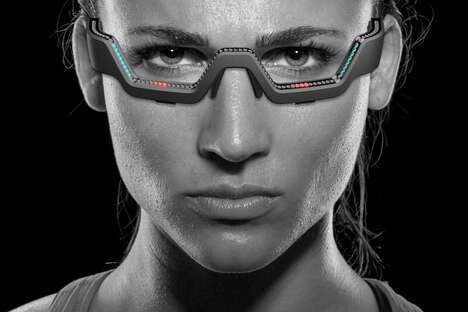
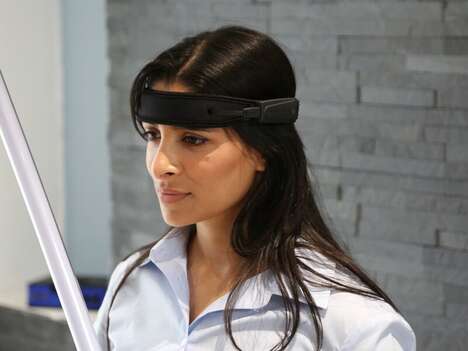
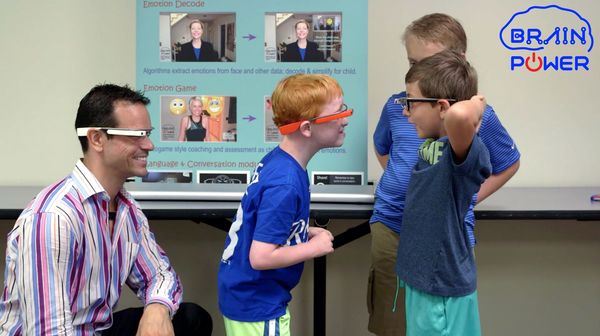
Matt Ryan likely attributes his success during the 2016-17 NFL season to many factors — hard work, good coaching, and excellent teammates — but the one attributing item that people might not be aware of is the Neurotracker. The TV-like device uses scientifically based models to improve cognitive performance, which is an especially important field for the quarterback of a Super Bowl team.
During Neurotracker training sessions, users don 3D glasses and visually track the movement of targeted objects as they move among distractors. In essence, it's a modernized, 3D version of the shell game. Each session takes just six minutes, and the system will gradually increase in difficulty as the player improves.
Matt Ryan isn't the only professional athlete using the Neurotracker. The training is also employed by players on Manchester United and the Vancouver Canucks.
Why This Trend Is Growing
- Cognitive-training Technology
- The development of innovative brain-training systems like Neurotracker will revolutionize the cognitive-training industry.
- Virtual and Augmented Reality
- The incorporation of virtual and augmented reality in brain-training systems creates a new market and disruptive innovations in gaming and sports industries.
- Neuroscience Applications
- The integration of neuroscience in brain training will create disruptive innovations in mental health and rehabilitation industries.
Industries Being Reshaped
- Sports
- The sports industry can benefit from brain-training systems like the Neurotracker to improve the cognitive performance of athletes and gain a competitive advantage.
- Gaming
- Brain-training systems that incorporate virtual and augmented reality create innovative opportunities for gaming industry leaders to expand their business models.
- Healthcare
- The use of cognitive-training technology in health facilities will create new opportunities for rehabilitation and mental health professionals to improve and optimize cognitive health.