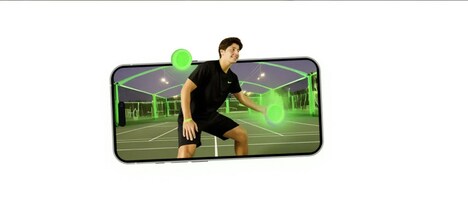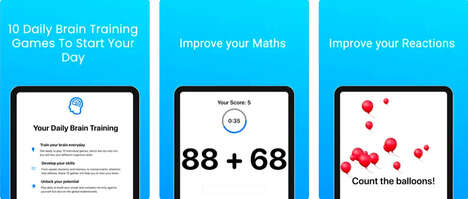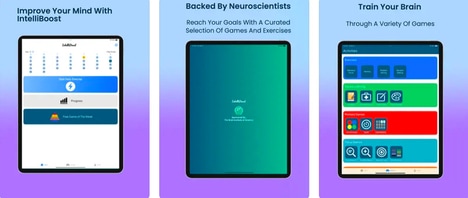
It's reported that the human brain starts to slow down as early as 24 according to research from Simon Fraser University, which is something the 'Ryflx' training system is engineered to help combat against. Suited for users across a wide range of ages, the system works by being set up and will enable participants to play a mind-stimulating game that will work their reflexes. The system is capable of being set up almost anywhere and could start to improve the reflexes of the player after just a few days when partaking for a few minutes each session.
The 'Ryflx' training system comes in three sizes to choose from and is simple enough to start using but will challenge players to improve their skills.
Why This Trend Is Growing
- Reflex-boosting Games
- Games designed to improve reflexes are becoming increasingly popular, providing opportunities for businesses to develop more immersive and engaging experiences.
- Brain Training
- The rise of digital tools like the 'Ryflx' system shows a growing emphasis on brain health and the potential market for related products and services.
- Personalized Fitness
- The 'Ryflx' training system offers customization options for users of different ages and skill levels, reflecting a larger trend towards personalized fitness experiences.
Industries Being Reshaped
- Gaming
- The gaming industry can capitalize on the trend towards reflex-boosting games by creating more innovative, immersive experiences that appeal to a range of ages and ability levels.
- Health and Wellness
- The 'Ryflx' system and other brain training tools indicate a growing market for products and services that prioritize brain health and wellness.
- Sports and Fitness
- Personalized fitness and training experiences are becoming popular, and businesses in the sports and fitness industry can leverage this trend by offering customized training programs and tools like the 'Ryflx' system.