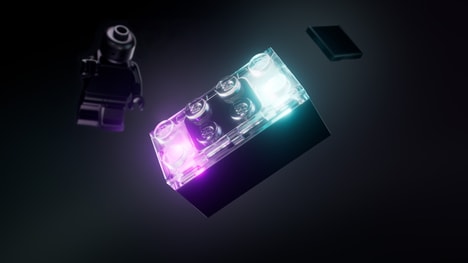
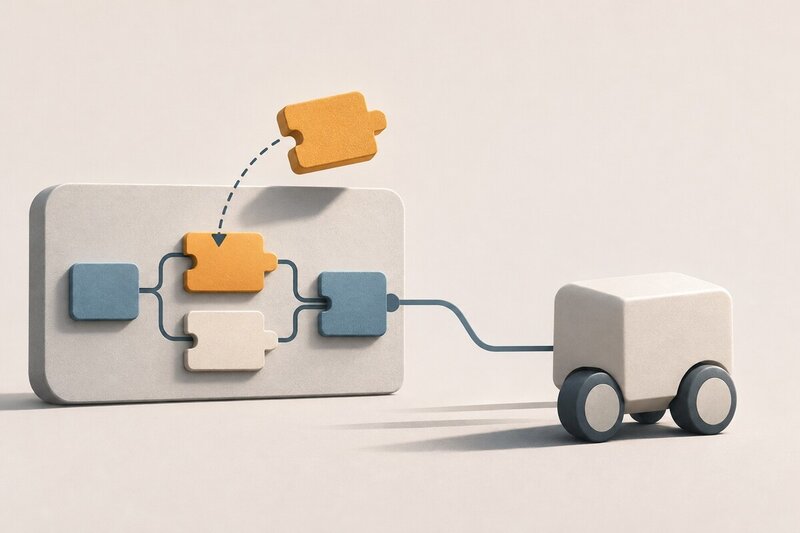
Bambu Lab's 'CyberBrick' adds motion and interactive control to 3D-printed models, turning static builds into working objects. The modular smart hardware system combines electronic parts with printed structures, and its programming setup lets users build control logic without soldering.
A wireless controller and solder-free connections make it easier to add motion to custom builds, the company says, while motors and software controls fit together like blocks. The system was used in student projects that combined printing, coding, and physical testing, including a music-focused desktop companion and a tabletop combat robot.
Bambu Lab shows how CyberBrick can link fabrication and behavior in a single workflow, pairing a wireless controller and solder-free connections with open models shared on MakerWorld for users who want to remix interactive objects rather than start from scratch.
Image Credit: AI-generated
Key Themes Behind This Trend
- Programmable Printed Objects
- 3D-printed models are evolving from static prototypes into interactive products, creating opportunities for accessible customization, rapid functional testing, and behavior-driven design.
- Solder-free Electronics
- Modular connectors and block-based hardware lower the technical barrier for embedding motion and controls into physical builds, expanding participation in electronics-enabled making.
- Remixable Smart Kits
- Open model libraries combined with plug-and-play components support faster iteration of connected objects, shifting innovation toward shared templates and user-led modification.
Where This Applies
- 3D Printing
- Integrated motion systems broaden additive manufacturing beyond form-making into functional object creation for education, prototyping, and small-batch product development.
- Educational Technology
- Hands-on systems that combine printing, coding, and mechanical testing introduce project-based learning formats that make engineering concepts more tangible and interactive.
- Consumer Robotics
- Affordable modular motors, controllers, and software tools enable hobbyist and student-built robots to move closer to practical, personalized, and entertainment-focused applications.
Featured Reports

The Smaller Celebration Economy

Creatine Is Leaving the Gym. The Beverage Industry Should Pay Attention.