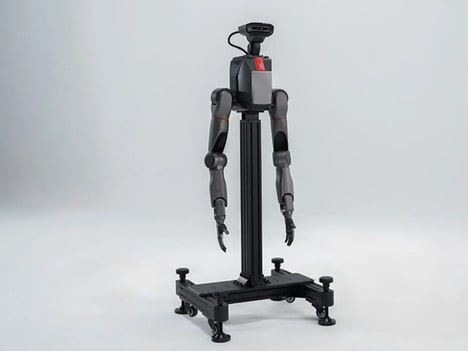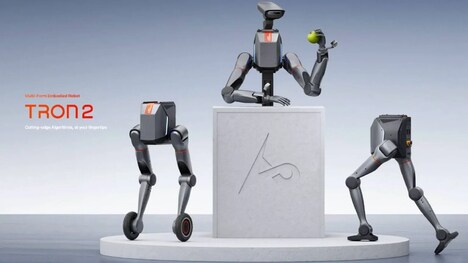
coprod is building a modular path into robotics with 'co:products,' a line of compatible hardware parts for robotics and physical AI, paired with a software API and setup tool. Aimed at teams creating specialized machines, the system standardizes how parts communicate and reduces custom integration work, the company says.
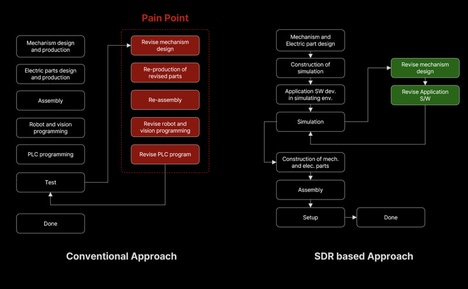
The Swiss startup is preparing its first parts for commercial release and building a prototyping site in Lausanne. The facility is expected to shrink the development loop from two weeks to 24 hours and to put robot design iterations in an estimated $5,000 to $25,000 range. The site will also support documentation and digital twin models, which the company says help teams move from simulation to physical testing with less rework.
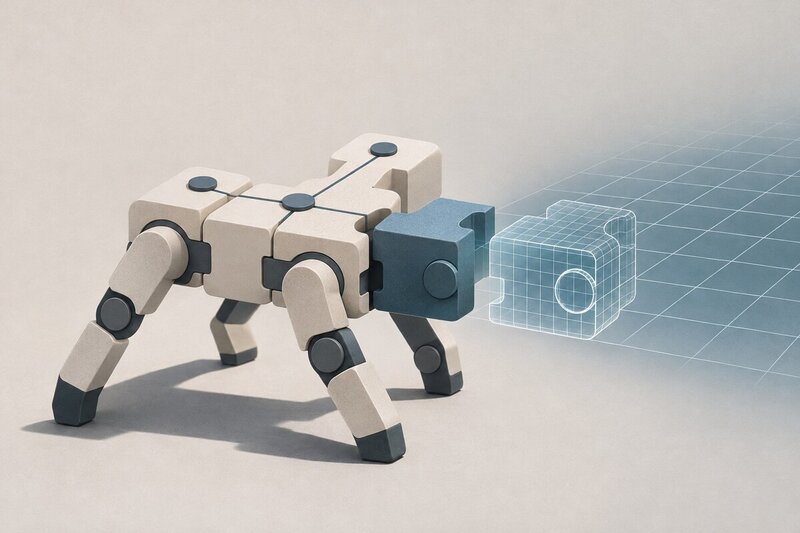
coprod shows how compatible parts, documentation, and digital twin models can support specialized robot builds, pairing co:products hardware with a software API.
Image Credit: AI-generated
Why This Trend Is Growing
- Modular Robotics Ecosystems
- Standardized hardware parts and APIs are reshaping robotics development by lowering integration complexity for specialized machine builders.
- Rapid Physical AI Prototyping
- Shorter design loops supported by local prototyping sites create room for faster experimentation across robotics, automation, and embodied AI applications.
- Digital Twin Development Workflows
- Simulation-linked documentation and digital models reduce the gap between virtual testing and physical deployment for custom robotic systems.
Industries Being Reshaped
- Robotics
- Compatible component platforms introduce new value in a market traditionally slowed by bespoke engineering and fragmented hardware standards.
- Manufacturing
- Flexible robot-building systems expand access to task-specific automation for factories seeking lower-cost alternatives to custom machinery.
- Industrial Software
- APIs, setup tools, and digital twin infrastructure form a software layer that can differentiate next-generation physical automation platforms.