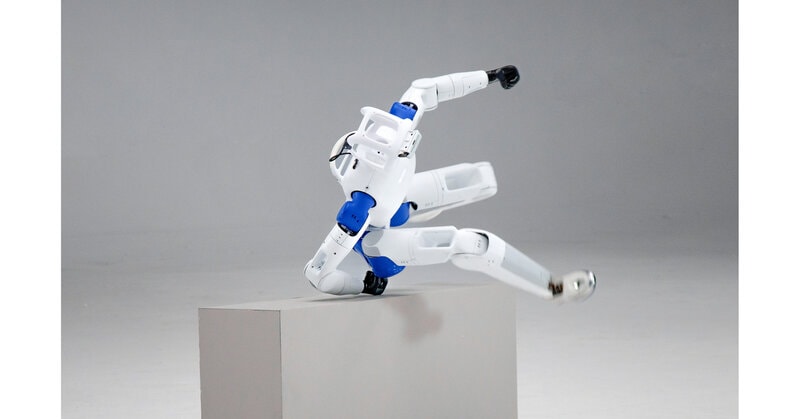
RoboParty has introduced open-source humanoid robots through its RP1 platform, giving researchers direct access to both physical components and underlying software. Unlike closed robotic systems, RP1 allows developers to examine and modify mechanical structures, joint actuators, and movement controls. This flexibility helps teams identify technical problems and experiment with different approaches to robotic movement and embodied AI, which connects artificial intelligence with physical actions.
The standard RP1 features 24 actuated degrees of freedom, while the Pro version offers 30, excluding dexterous hands. Both configurations support research into balance, walking, and coordinated movement, with interchangeable components for additional experiments.
For research institutions and robotics developers, RP1 could reduce reliance on proprietary platforms and simplify experimentation. Its accessible designs and development tools also create opportunities for collaboration, potentially accelerating the development of adaptable humanoid systems across different research applications.
Image Credit: RoboParty
Why This Trend Is Growing
- Open-source Humanoids
- Shared access to robot hardware and software architectures creates space for faster iteration, lower development barriers, and more specialized humanoid designs.
- Embodied AI Testing
- Physical AI platforms that support movement, balance, and manipulation experimentation expand possibilities for validating intelligence in real-world environments.
- Modular Robotics Platforms
- Interchangeable components and adjustable actuator systems enable more flexible prototyping for research teams exploring task-specific robotic capabilities.
Industries Being Reshaped
- Robotics
- Open hardware models challenge proprietary robot development by making advanced humanoid systems more accessible to labs and independent developers.
- Artificial Intelligence
- Embodied systems link machine learning with physical action, creating new paths for AI models designed around mobility, coordination, and adaptation.
- Higher Education
- Research institutions benefit from customizable robotics platforms that support collaborative experimentation, technical training, and applied engineering studies.