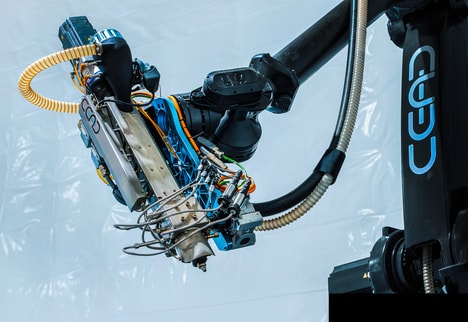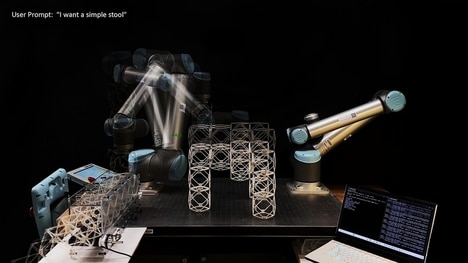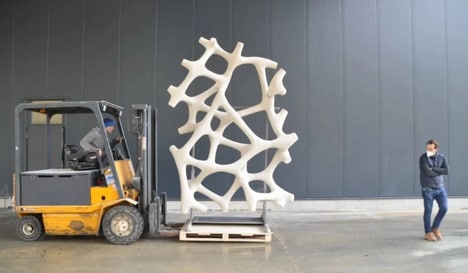
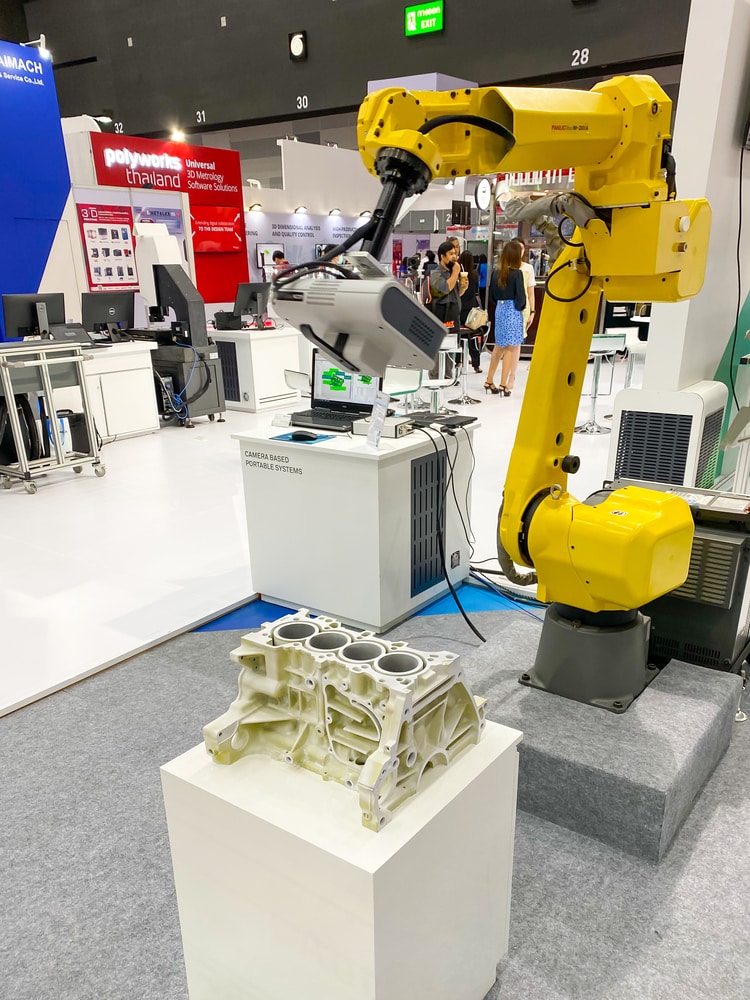
Distributed robotic manufacturing is reshaping how industrial products are designed and produced, as seen in the partnership between Red Cat’s Blue Ops and HADDY. By combining AI-powered systems with large-scale 3D printing and localized microfactories, the companies enable production to occur closer to where products are needed. These robotic systems can rapidly prototype, iterate, and manufacture components, reducing the time between design and deployment while adapting to changing requirements in real time.
This shift carries significant implications for manufacturers and supply chains. For companies like Red Cat, it increases production speed and flexibility while reducing transportation costs and bottlenecks. HADDY’s microfactory network also allows output to scale on demand across locations. For industries such as defense and infrastructure, this approach supports faster deployment of critical systems and strengthens operational resilience by moving away from traditional centralized manufacturing models.
Image Credit: jointstar / Shutterstock.com
What Makes This Trend Stand Out
- Localized Microfactories
- Enables rapid, proximity-based production that reduces logistics dependencies and supports tailored part manufacturing for regional demand.
- AI-driven Robotic Fabrication
- Creates autonomous, closed-loop design-to-production workflows that significantly shorten iteration cycles and enable adaptive manufacturing at scale.
- On-demand Distributed Production
- Shifts inventory models toward virtual catalogs and just-in-time manufacturing, lowering warehousing needs and enabling surge capacity across networks.
Sectors Adopting This
- Defense and Security
- Benefits from resilient, forward-deployed manufacturing capable of producing mission-critical components near field operations, decreasing resupply vulnerability.
- Infrastructure and Construction
- Sees modular components and replacement parts produced locally to accelerate repairs and customization of public works.
- Aerospace and Aviation
- Experiences faster prototyping and localized production of certified components that can reduce lead times and support fleet-specific configurations.