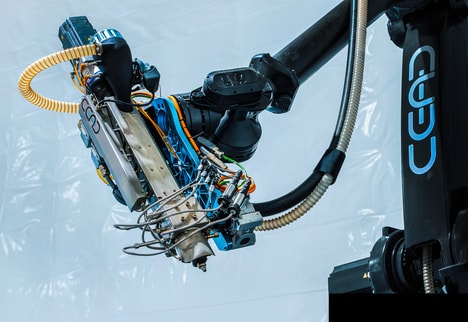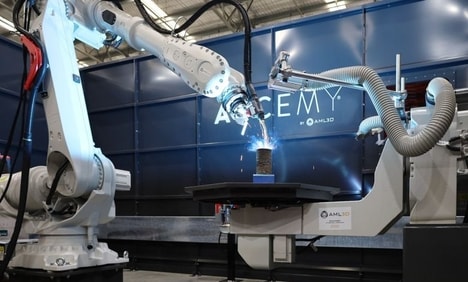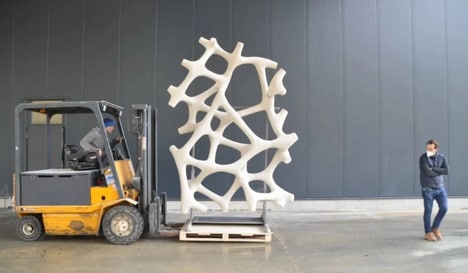
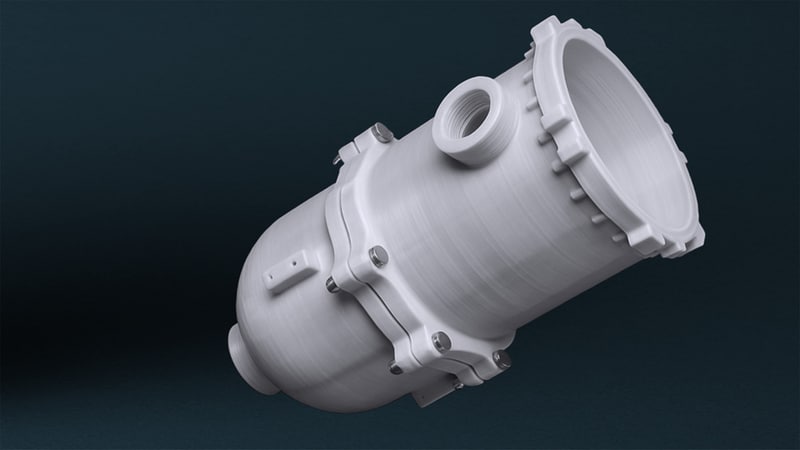
RusselSmith, a Nigerian advanced manufacturing firm, has introduced a plan to extend its Omnifactory deployment capabilities to Ghana’s maritime sector, featuring 3D printing for spare parts and polymer boats up to 12 meters. The discussion with the Ghana Maritime Authority was facilitated by the Commonwealth Enterprise and Investment Council and signals a regional rollout of RussellSmith’s manufacturing services.
The company operates polymer and metal additive workflows — including Roboze polymer systems, SPEE3D cold spray and LPBF for stainless steels, titanium and superalloys — and offers 3D scanning, DfAM (design for additive manufacturing) and digital warehousing. RusselSmith has pursued approvals and partnerships, such as permission to use PEEK for oilfield MRO and collaboration with 3YOURMIND, to support design-to-part production.
For maritime and energy operators, localizing additive production reduces lead times for spares and limits supply-chain dependence while creating higher-value jobs regionally. If scaled, RusselSmith’s Omnifactory model could serve as a replicable regional hub for on-demand MRO and industrial part production across West Africa.
Image Credit: RusselSmith
What's Driving This Trend
- Localized Additive Manufacturing
- Establishing local 3D printing capacity shifts spare-part supply chains toward nearshore, enabling rapid fulfillment and reduced inventory carrying across industries.
- Maritime Onsite 3D Printing
- Deploying polymer and metal additive systems at ports and shipyards creates the potential for same-port repairs and bespoke hull or component fabrication that shortens downtime.
- Digital Warehousing for MRO
- Maintaining certified digital part files and on-demand production workflows introduces scalable virtual inventories that can replace physical stockpiles and support distributed manufacturing networks.
Who This Affects Most
- Maritime and Shipping
- Ship operators and port services could see overhaul timelines compressed and freight reliability improved through localized production of critical spares and custom marine components.
- Energy and Oilfield Services
- Energy operators stand to reduce dependence on long lead-time logistics by adopting certified additive workflows for PEEK and metal parts used in maintenance, repair and operations.
- Regional Manufacturing Hubs
- Replicable Omnifactory-style facilities have the potential to catalyze higher-value job creation and decentralized industrial capacity across neighboring countries.