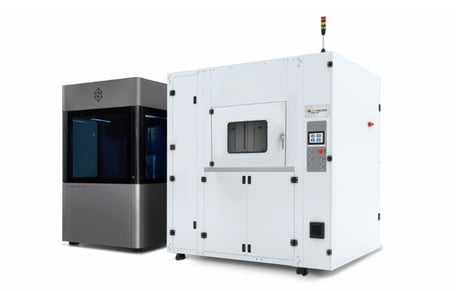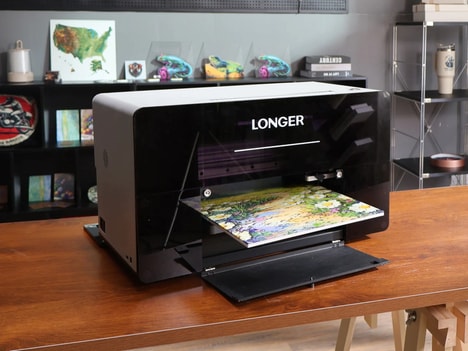
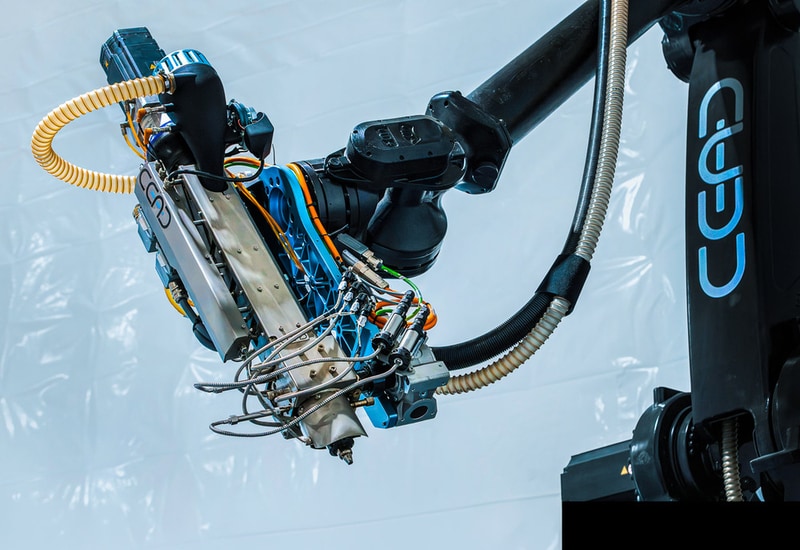
Evergreen Additive Inc. launched a large-format printers for additive manufacturing service, specifically for maritime tooling and defense components, founded by four researchers from the University of Maine’s Advanced Structures and Composites Center. The startup offers production manufacturing, rapid prototyping and consulting, featuring a robotic 3-D printing system capable of handling multi-foot boat molds and components with plans to expand machine size in Q2.
The company established operations at Brunswick Landing with an 8,000-square-foot workspace that received electrical and floor upgrades to support continuous production. Initial equipment investment totaled about $1 million, supported by founders and private investors, and the firm won a Defense Innovation Unit award while pursuing additional capital to scale output.
Evergreen’s approach aims to cut tooling lead times by 50%–75% for boatbuilders and enable repeated, minimally supervised 24/7 runs, which addresses labor shortages and supply-chain delays.
Image Credit: Tim Greenway
Key Themes Behind This Trend
- Large-format Additive Manufacturing
- Scaling printer build volumes to multi-foot parts enables consolidation of tooling and part production into single, in-house processes that can reduce lead times and inventory needs.
- Continuous Robotic Production
- Robotic 24/7 printing workflows that require minimal supervision create opportunities for capital-intensive automation to substitute for scarce skilled labor and maintain high throughput.
- Localized Defense Additive Supply
- Establishing onshore, mission-focused additive capabilities offers a resilient alternative to long, fragile supply chains for defense and other security-sensitive component needs.
Where This Applies
- Maritime Boatbuilding
- Large-format 3D tooling and mold production can dramatically shorten boat production cycles by replacing long-lead traditional tooling processes with rapid, repeatable printed forms.
- Defense Components Manufacturing
- Additive platforms tailored for defense parts create potential for on-demand, low-volume runs of specialized components that bypass conventional subcontracting bottlenecks.
- Composite Structures and Tooling
- Integration of robotic additive systems with composite layup workflows presents possibilities for custom, large-scale molds and tooling that lower manual labor intensity and increase shape complexity.