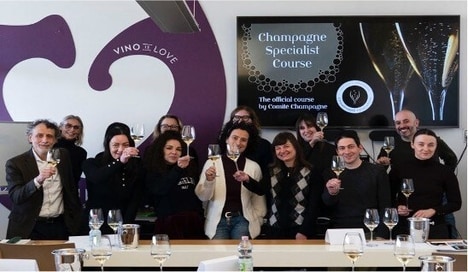
Hosted by on-trade drinks supplier Bibendum, the Mindful Winemaking Course is a one-day training event that hopes to better educate customers about sustainable winemaking practices. Launched on October 24, 2018, the training course covers subjects like organic, sustainable, biodynamic and natural winemaking. The main focus is to provide bar staff, entrepreneurs and regular drinkers with “an in-depth knowledge that can easily be passed on.”
According to Julia Bailey, head of Bibendum customer training, the Mindful Winemaking Course is a challenge to educate customers on natural winemaking and how the process is done. Bibendum hopes that the Mindful Winemaking Course will help both customers and producers better navigate natural winemaking philosophies by giving an in-depth understanding of all the areas involved in the process.
Why This Trend Is Growing
- Sustainable Winemaking Education
- Courses and training events that focus on sustainable and natural winemaking are becoming increasingly popular.
- Organic and Biodynamic Wine Production
- Winemakers are seeking out organic and biodynamic practices as an alternative to conventional production methods.
- Environmental Responsibility in the Wine Industry
- There is growing interest in environmentally conscious winemaking methods that prioritize sustainability and reduce ecological impact.
Industries Being Reshaped
- Hospitality
- Restaurants and bars can benefit from offering sustainable and natural wines, using education and training to better inform staff and customers.
- Agriculture
- Winemaking is a subset of agriculture, and the organic and biodynamic trends in wine production are reflective of a wider movement toward sustainable agriculture practices.
- Wine Retail
- Retailers can capitalize on growing consumer interest in natural and sustainable wines, offering educational resources and highlighting eco-friendly brands.