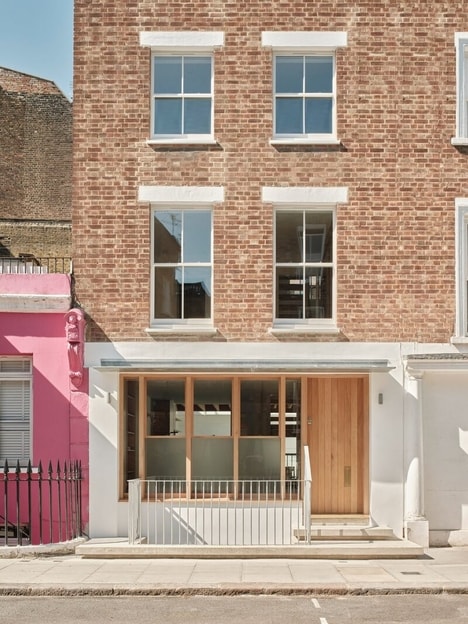
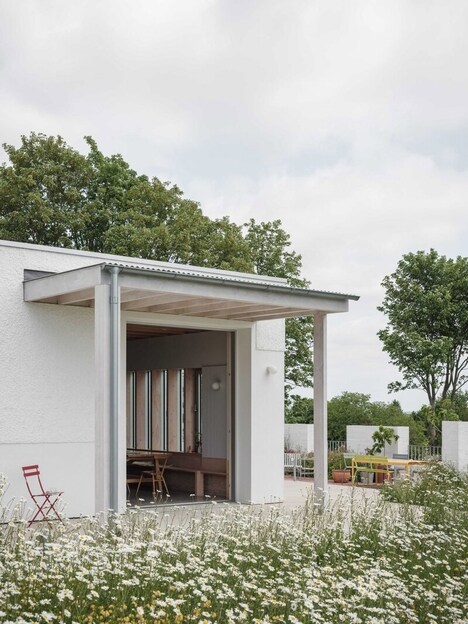
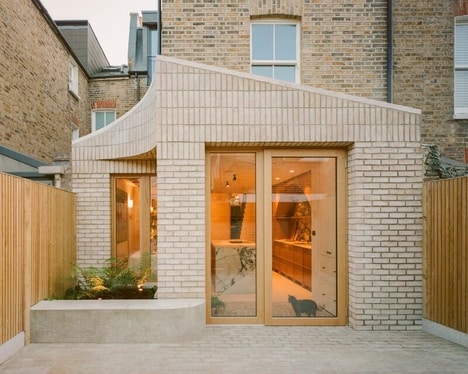
New York-based architect Lydia Xynogala was brought in to redesign a Victoria house in the Knightsbridge area of London, England.
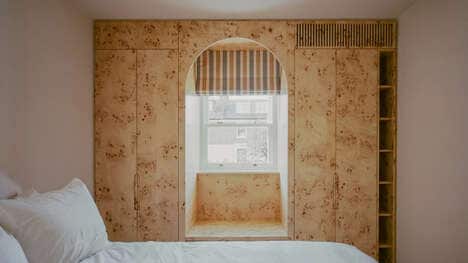
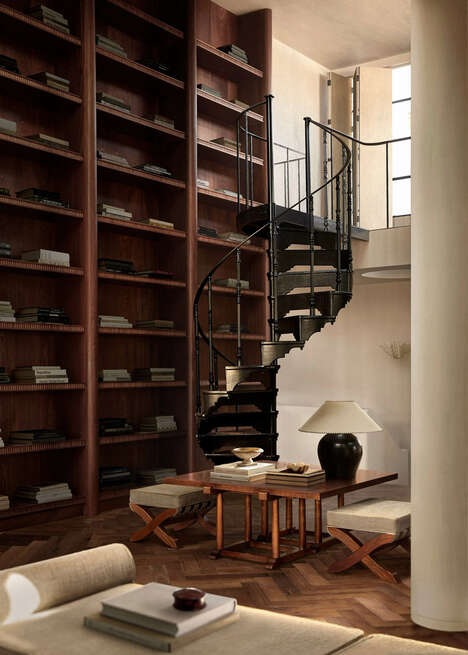
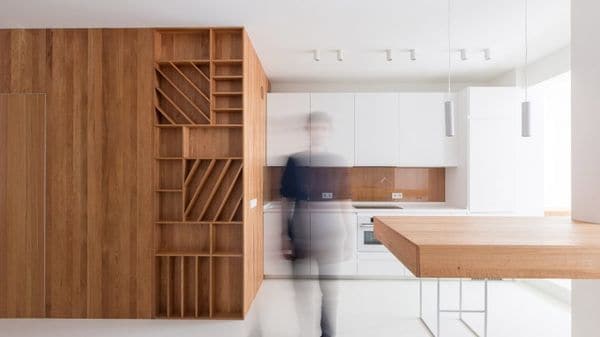
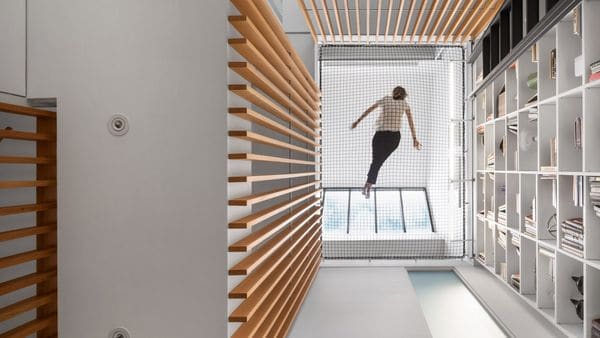
The home is nestled in a lush garden-filled lot and previously featured a dark and inconvenient kitchen that acted as the centre of the home. The architect meticulously removed all of the unnecessary structural pieces to create a flowing and airy space that welcomes all guests. The original staircase was removed and replaced with a streamlined design that is both modern and artistic. The design team added secret features throughout that are delicately hidden with modern aspects -- including the luxurious guest room that is tucked behind a wall of screens.
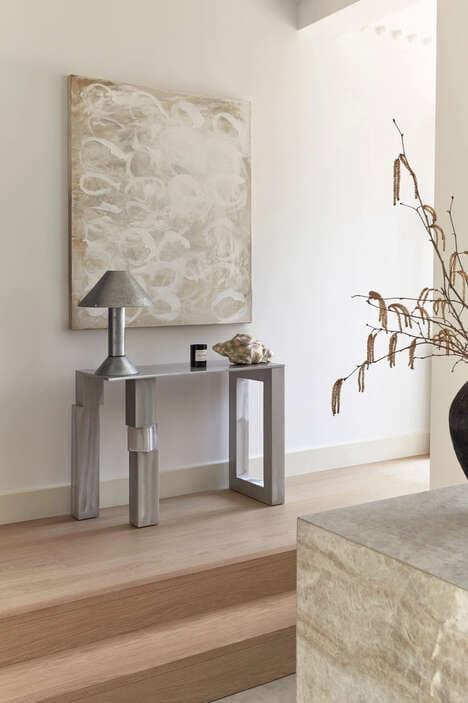
Lydia Xynogala decided to keep multiple traditional design features in the home to create a comforting space, that is still modern and open enough to offer a luxurious getaway.
Image Credit: Nicholas Worley
What Makes This Trend Stand Out
- Minimalist Renovations
- Opportunity to create sleek and simple designs that maximize functionality and minimize clutter.
- Streamlined Design
- Opportunity to create modern and artistic spaces by removing unnecessary structural pieces and incorporating clean lines.
- Hidden Features
- Opportunity to add secret elements that are discreetly integrated into the design, enhancing the aesthetic and functionality of the space.
Sectors Adopting This
- Architecture
- Architects can leverage minimalist renovations and streamlined design to create innovative and visually appealing spaces for clients.
- Interior Design
- Interior designers can incorporate hidden features in their designs to create unique and surprise elements for clients, enhancing the overall experience of the space.
- Construction
- Construction companies can specialize in minimalist renovations, offering efficient and modern solutions that appeal to clients looking for minimalist living spaces.