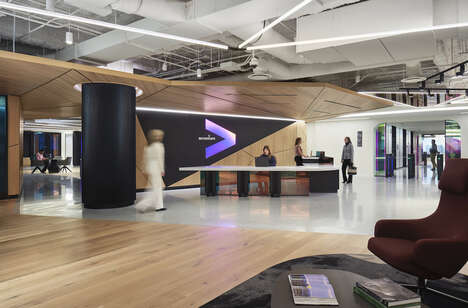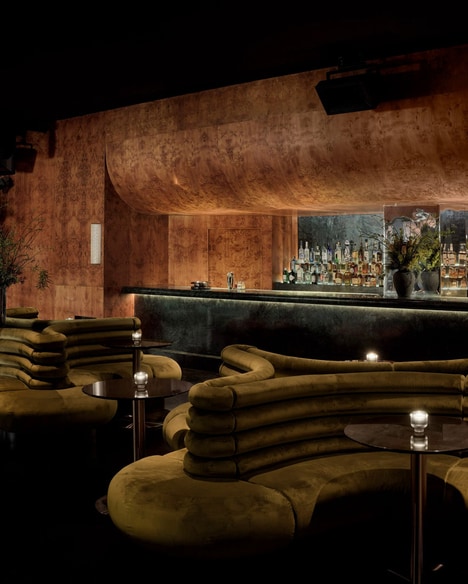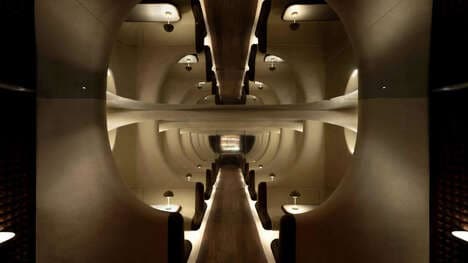

Though LinkedIn's online presence is all about professionalism, the LinkedIn New York office features a hidden gem that encourages employees to let loose every once in a while. By entering through a vestibule that ostensibly seems to be an art installation with over 100 rotary phones lining the walls, LinkedIn employees can open a hidden door to reveal a speakeasy.
The office, which was designed by international firm Interior Architects, is on the 28th floor of the historic Empire State Building. As such, hiding a speakeasy — the type of drinking establishment that offered illicit drinking during the prohibition — in the LinkedIn New York office feels especially fitting.
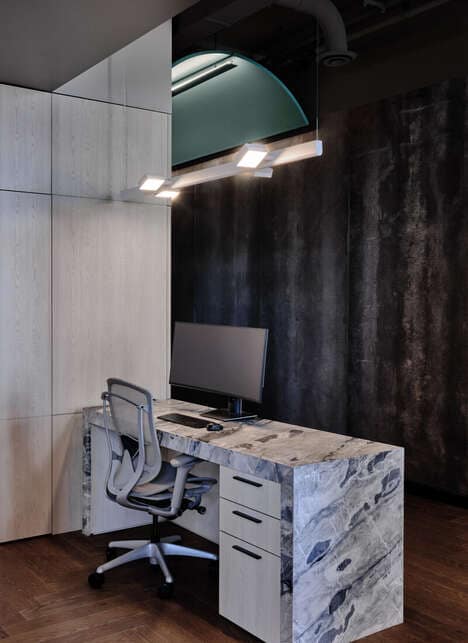
Beyond the speakeasy, the office was generally designed as a "club level" and includes things like a screening room and a pool table.
Key Themes Behind This Trend
- Hidden Office Spaces
- Disruptive innovation opportunity: Designing office spaces that include hidden areas for relaxation and entertainment can boost employee morale and productivity.
- Corporate Social Clubs
- Disruptive innovation opportunity: Creating exclusive social clubs within office spaces can foster a sense of community and collaboration among employees.
- Office Entertainment Amenities
- Disruptive innovation opportunity: Incorporating entertainment amenities like screening rooms and game areas into office designs can enhance work-life balance and attract top talent.
Where This Applies
- Interior Design
- Disruptive innovation opportunity: Using creative design concepts to enhance office environments, such as hidden spaces, can create new opportunities for interior design firms.
- Hospitality
- Disruptive innovation opportunity: Partnering with companies to create exclusive office-based social clubs can extend the reach of hospitality industry services.
- Human Resources
- Disruptive innovation opportunity: Incorporating entertainment amenities into office spaces can provide new opportunities for HR professionals to enhance employee engagement and satisfaction.