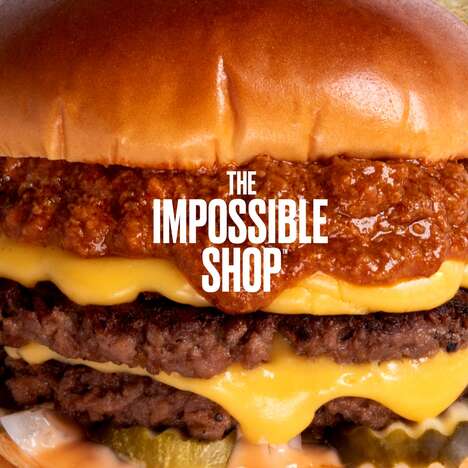
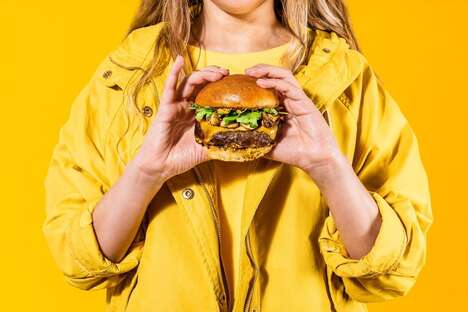
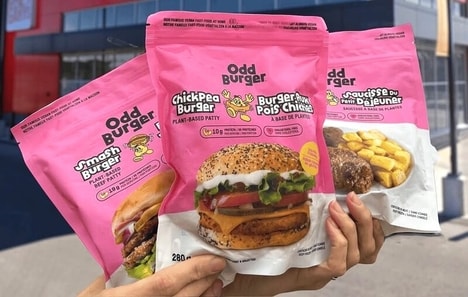
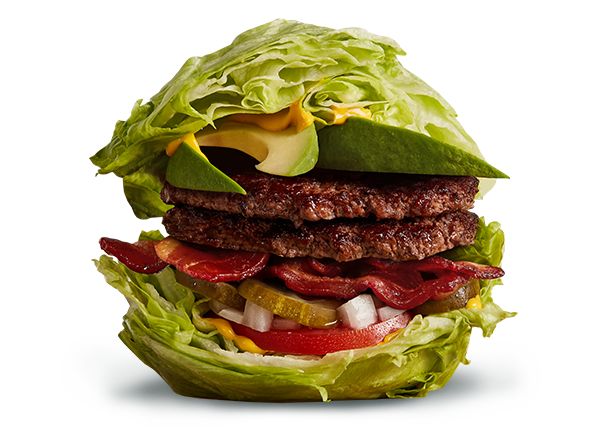
A home Impossible Burger may soon launch to retail locations as a means of converting more omnivores onto the miraculous vegetarian product. The vegetarian and vegan burger patty has already gained significant traction in the restaurant industry thanks to David Chang's love of the patty and inclusion on the menu at Momofuku Nishi. The burger patty is often described as being completely analogous to meat and even bleeds a plant-based version of blood when cut and cooked.
The home Impossible Burger is the logical next step for Impossible Foods as the company gears towards further expansion. According to Patrick Brown, the founder and CEO of Impossible Foods, the company wants consumers to see how the red patty gets cooked instead of being "handed the finished product,” he went on to state "they don’t get that sort of magical, dynamic experience that the chefs get.”
Image Credit: Impossible Foods
Key Themes Behind This Trend
- Home Impossible Burger
- Bringing the Impossible Burger to households, allowing regular people to cook the plant-based meat alternative at home.
- Converting Omnivores
- Creating a retail version of the Impossible Burger to appeal to meat-eaters and encourage them to try the vegetarian patty.
- Analogous Meat Substitute
- Developing a plant-based burger patty that mimics the taste and texture of meat, providing a compelling alternative for vegetarians and vegans.
Where This Applies
- Plant-based Foods
- Opportunity for plant-based food companies to offer innovative meat substitutes that appeal to a wider consumer base and provide a more accessible vegetarian option.
- Restaurant
- Inclusion of the Impossible Burger on restaurant menus can attract customers seeking vegetarian options or those interested in trying innovative plant-based alternatives.
- Home Cooking
- Creating a retail version of the Impossible Burger allows consumers to experience the cooking process and experiment with preparing plant-based meat alternatives at home.