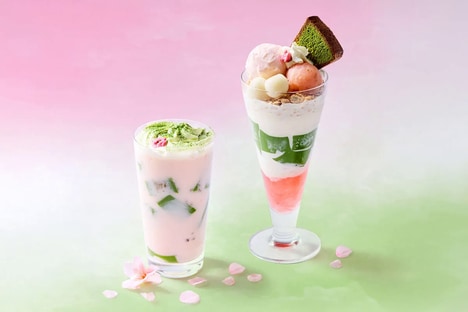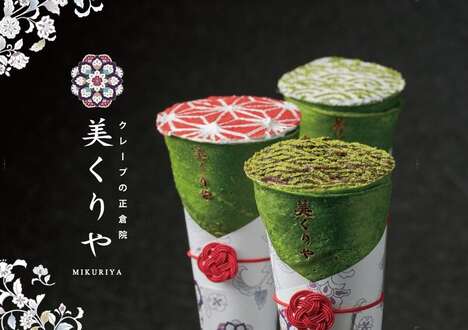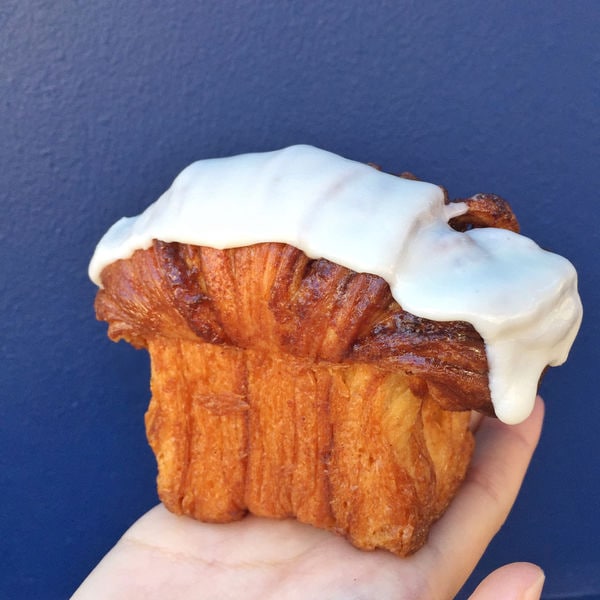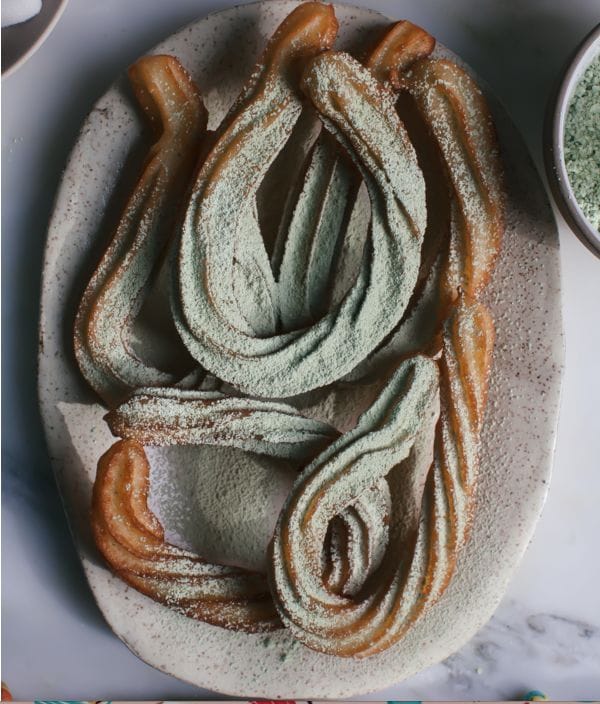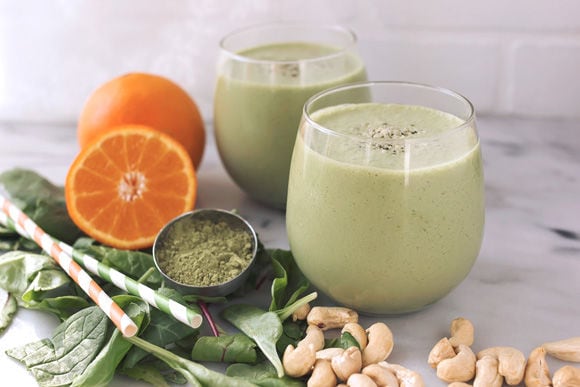


Over the past couple of years, drinks like green tea lattes and desserts like green tea ice cream have made the ingredient matcha explode in popularity as part of the antioxidant craze. However, matcha tends to have a very bitter taste when used in large quantities, which is why it is usually used in small doses. However, the green tea ice cream served at Nanaya in Japan has more than the slight green tinge most people are used to seeing in matcha desserts and sweets.
This is a huge selling feature for the restaurant, especially since it offers seven different levels of green tea ice cream, made with varying amounts of matcha. Naturally, the more matcha that is added to the dessert, the more intense the bright green color becomes. Playing off of the original use of matcha powder, the desserts are served in tea cups.
What's Driving This Trend
- Matcha Dessert Craze
- The popularity of matcha desserts and the demand for intense matcha flavors are creating opportunities for innovative dessert concepts.
- Customization of Matcha Intensity
- The trend of offering different levels of matcha intensity in desserts allows for personalized dessert experiences and caters to individual preferences.
- Revamped Matcha Presentation
- Restaurants can explore creative ways to present matcha desserts, such as serving them in tea cups, to enhance the dining experience.
Who This Affects Most
- Dessert Industry
- The rise in popularity of matcha desserts presents growth opportunities for dessert-focused businesses to offer innovative and unique matcha-inspired treats.
- Food and Beverage Industry
- Catering to the matcha craze, food and beverage companies can introduce new products or variations that feature intense matcha flavors.
- Hospitality Industry
- Hotels, resorts, and cafes can tap into the matcha trend by incorporating matcha desserts into their menus to attract customers and offer unique dining experiences.