SOIA Design, a full-service architectural and interior design studio based in Los Angeles, has completed Mamuli — a restaurant in Krasnodar that reinterprets Georgian cultural heritage through a contemporary lens.
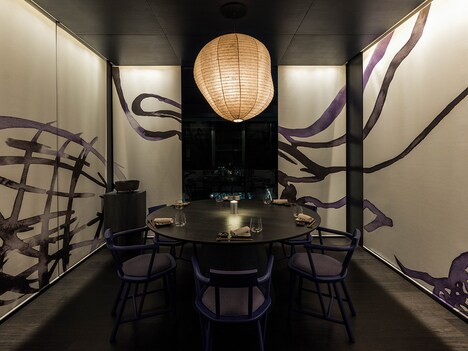
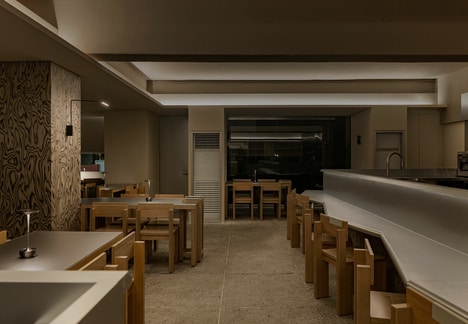
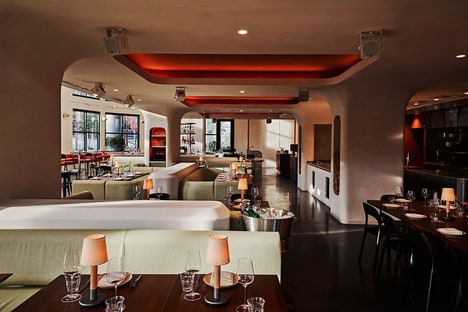
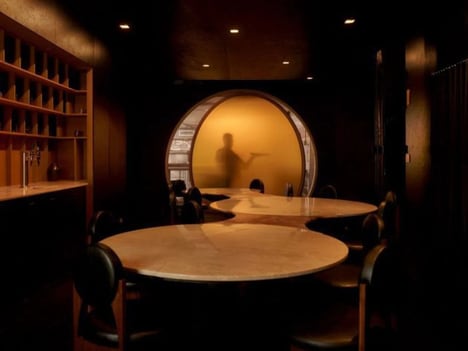
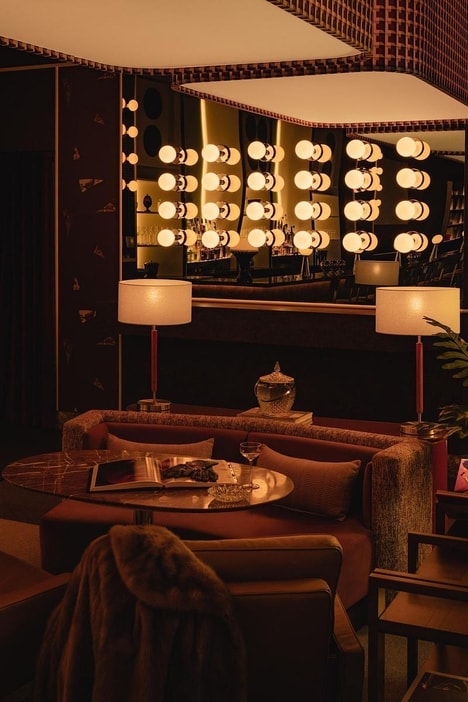
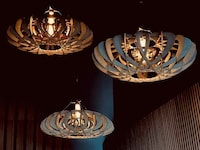
At its core, the concept creates an immersive environment where tradition and modernity coexist harmoniously. Mamuli spans 9,200 square feet of dining space with 265 seats. It was developed in response to the clients' request to honor Georgian culture heritage while avoiding clichéd themed interiors. This direction put forth a design that blends warm tones, subtle gold plaster finishes, and custom elements such as beehive-shaped chandeliers inspired by Georgian architecture and black peppercorn-shaped balusters that pay homage to the country's culinary traditions. Bespoke furniture and millwork include zigzag-patterned wooden column cladding, tables carved from tree trunk slices, and a fireplace built directly into a dining table.
Image Credit: Misha Chekalov
What's Driving This Trend
- Heritage-informed Hospitality
- Restaurants that reinterpret cultural heritage through contemporary design create differentiated spaces where authenticity, storytelling, and premium dining experiences converge.
- Subtle Thematic Interiors
- A shift away from literal cultural motifs toward refined material cues opens new possibilities for immersive environments that feel elevated rather than staged.
- Architectural Culinary Symbolism
- Custom fixtures and furnishings inspired by regional foodways and architecture allow hospitality brands to embed narrative value into functional design elements.
Who This Affects Most
- Restaurant Design
- Culturally rooted concepts with bespoke interiors position design studios to develop destination venues that compete on atmosphere as much as cuisine.
- Hospitality
- The blending of tradition, craft, and modern comfort reflects growing demand for experiential dining formats that support stronger brand identity and guest loyalty.
- Interior Architecture
- Large-scale dining spaces using custom millwork, sculptural lighting, and symbolic materials highlight opportunities for interior architecture to become a core driver of commercial differentiation.