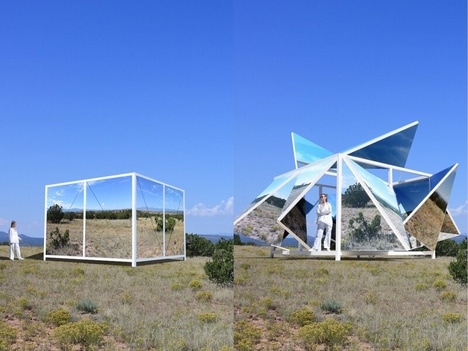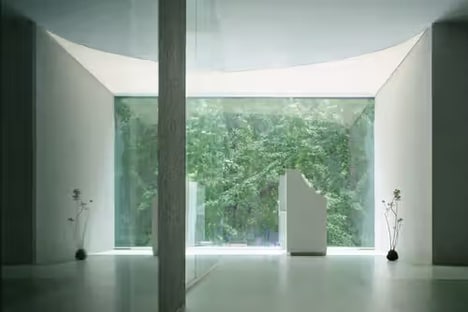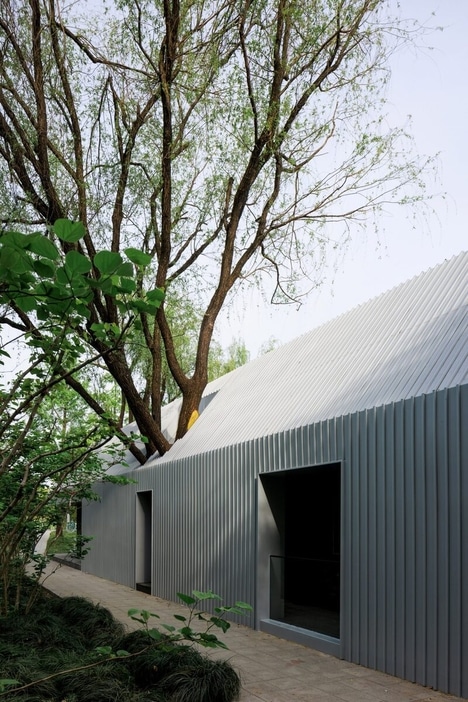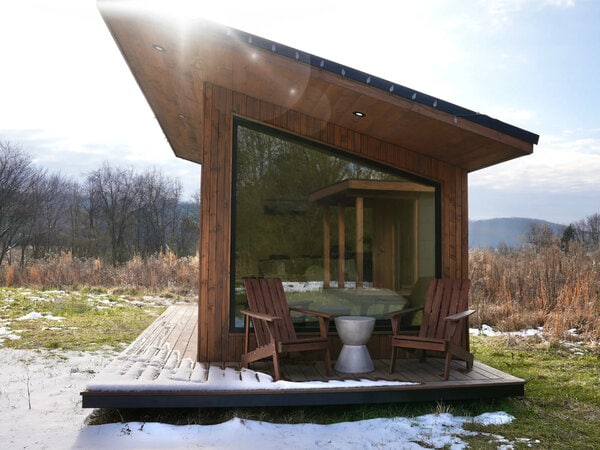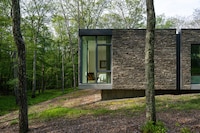
Pavilion TEUM is a built concept by architecture studio one-aftr designed to reintroduce outdoor stimuli into modern sealed homes, featuring intentional 'gaps' that channel light, breeze and sound into the living room. The installation reinterprets the traditional Korean daecheong—an intermediary space connecting inside and outside—by carving openings in walls, floors and ceilings to restore sensory exchange. Inside, materials and movable elements amplify the effect: a cork floor, exposed crushed stone and moss visible through the gaps, and a central long chair that rotates 360 degrees to vary perspectives and sensations.
The pavilion staged distinct zones—reading nooks, a south-facing light window and a north-facing communicative table—so visitors could experience multisensory moments. For consumers and designers, Pavilion TEUM highlights a trend toward architecture that counters 'popcorn brain' stimulation by reintroducing gradual, natural cues to daily interiors, promoting sensory balance and deeper environmental connection.
Image Credit: one-aftr
What Makes This Trend Stand Out
- Gap-focused Living Rooms
- Designs that carve deliberate openings in walls, floors and ceilings to channel light, breeze and sound into sealed homes suggest new spatial typologies that blend interior comfort with outdoor stimuli.
- Sensory-calibrated Architecture
- A move toward reintroducing gradual natural cues and multisensory zoning indicates potential for environments that intentionally modulate attention and cognitive load.
- Rotational Perspective Furniture
- Furniture engineered to rotate and reorient occupants creates opportunities for adaptable viewpoint-driven experiences that alter perception and social interaction within a single room.
Sectors Adopting This
- Residential Architecture
- Residential architecture is trending toward intermediary zones and engineered apertures that redefine connections between private interiors and the external environment.
- Interior Materials Manufacturing
- Materials like cork, exposed stone and living moss integrated with perforated structures point to demand for product systems that amplify sensory transmission through built gaps.
- Wellness Tech for Homes
- Home wellness technologies are poised to complement sensory architecture by monitoring and modulating light, airflow and acoustics within perforated living spaces.