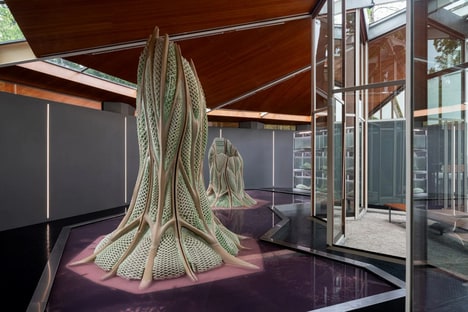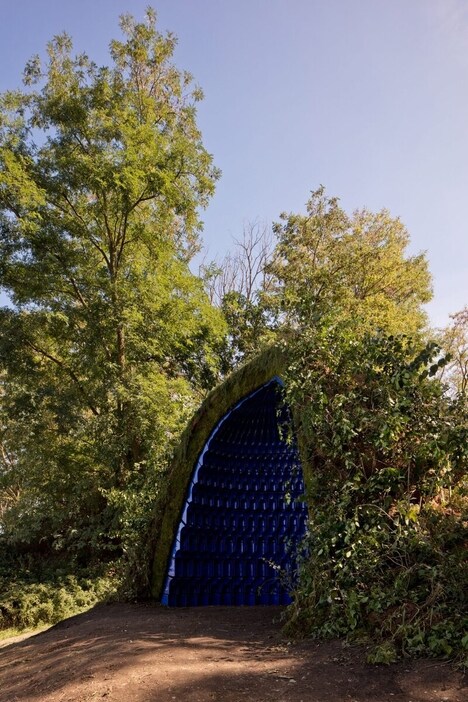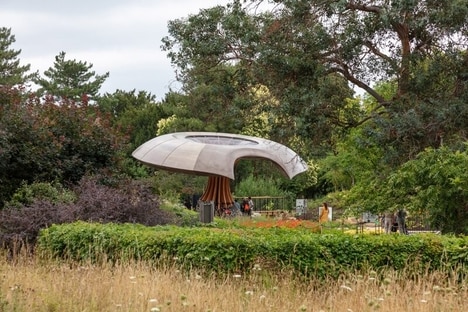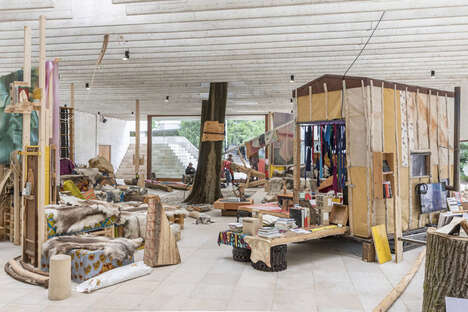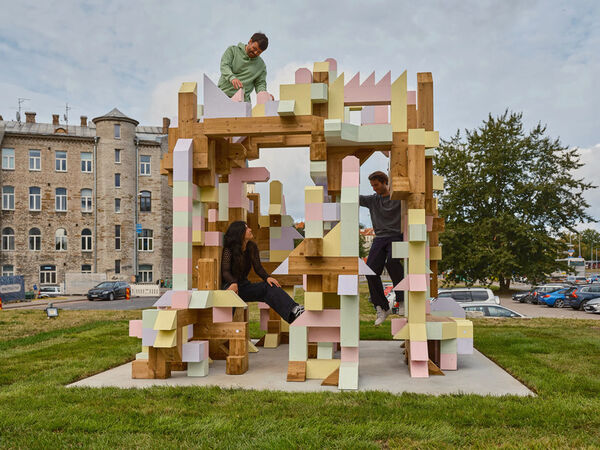
Architectural design studio Iheartblob's Fungible Non-Fungible Pavilion was set up outside Tallinn's Museum of Estonian Architecture at the Tallinn Architecture Biennale in Estonia and it's a physical structure that promotes a decentralized future. The puzzle-like structure was partially designed by the public using non-fungible tokens, specifically community-designed NFT objects.
With physical blocks that represent NFT objects minted by the community, the installation explores a future in which the community replaces the architect as the "master builder." Thanks to its unique form, the Fungible Non-Fungible Pavilion currently consists of 78 pieces, although it has the possibility to expand.
The Fungible Non-Fungible Pavilion was the winning entry for the Slowbuilding competition held for the main installation at Tallinn Architecture Biennale 2022.
What's Driving This Trend
- Community-designed Nfts
- Incorporating community-designed NFTs into buildings and installations creates new opportunities for decentralized design.
- Puzzle-like Structures
- Developing puzzle-like structures through NFT design contests opens up new pathways for architectural innovation.
- Participatory Architecture
- The Fungible Non-Fungible Pavilion showcases the potential for participatory architecture and its impact on the future of design.
Who This Affects Most
- Architecture
- Incorporating NFT design contests into architecture and building design processes will create disruption in the traditional architecture industry by fostering a more collaborative approach.
- Art
- The use of community-designed NFTs in art installations and exhibits has the potential to create new forms of decentralized art and disrupt the traditional art industry.
- Blockchain
- The use of blockchain and NFTs in architecture and design has the potential to disrupt traditional building and design practices by introducing new technologies and collaborative processes.