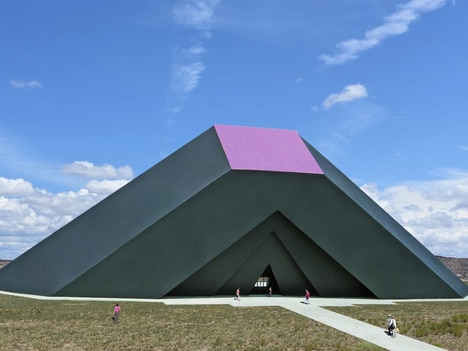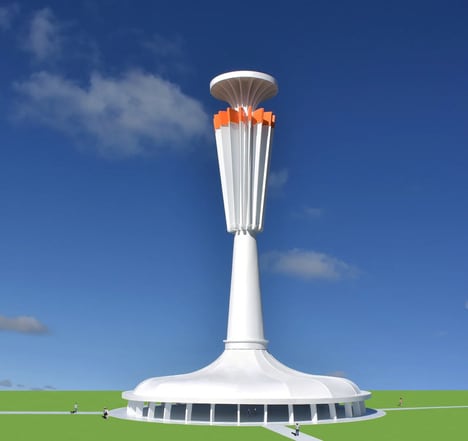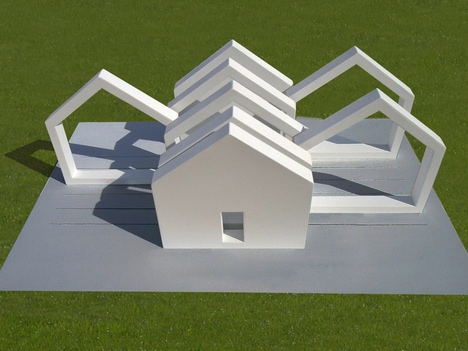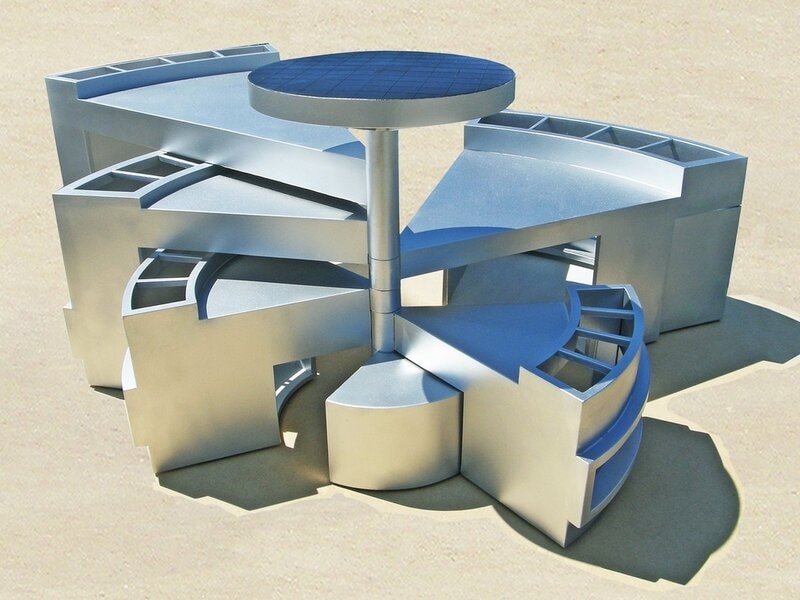
The Radius Transformation Pavilion by Michael Jantzen lets visitors shape space in an interactive structure where physical movement alters the form. Six wedge-shaped steel segments radiate from a central column like petals of a mechanical flower. Each section rests on rubber wheels so visitors can push, pull, and rearrange the parts to create private enclosures or open gathering areas, depending on use.
As the pavilion shifts, cut-outs in the steel surfaces generate evolving patterns of light and shadow throughout the day. Integrated benches provide seating within the movable panels, while solar panels on the central column power lighting for evening use. By combining adaptability with environmental consideration, the pavilion becomes both a functional shelter and an artistic installation. It demonstrates how architecture can engage people directly, transforming space into an ever-changing communal experience.
Image Credit: Michael Jantzen
Why This Trend Is Growing
- Interactive Architecture
- Structures that allow user interaction in their design offer immersive experiences that reshape the perception and utilization of shared spaces.
- Adaptive Urban Spaces
- Urban environments that transform in real-time reflect a growing trend in city planning for flexible, user-driven communal areas.
- Sustainable Design Integration
- The incorporation of solar-powered features within public installations signals a shift towards self-sustaining, eco-friendly urban architecture.
Industries Being Reshaped
- Architecture and Design
- Advancements in dynamic, user-interactive structures present potential for innovation in the architectural design industry.
- Renewable Energy
- The integration of solar panels in everyday structures indicates new business avenues for renewable energy solutions in public spaces.
- Urban Development
- Flexibly designed pavilions that adapt to different needs are poised to revolutionize the future of urban development and public planning.