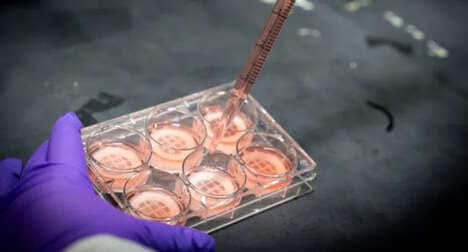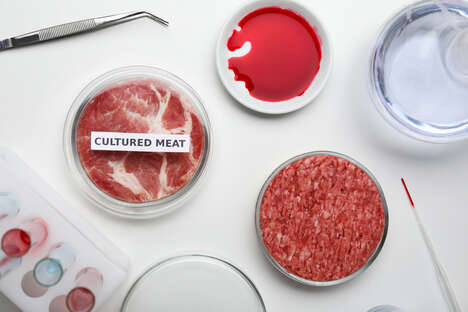

Crispr's technology allows start-up company Memphis Meats to create lab-grown sustainable meat that offers an alternative approach to slaughter without disrupting any quality of tastes. Crispr functions as a 'genetic scissor,' allowing researchers to experiment with DNA of any organisms. This allows for the opportunity to create real beef and chicken produce using animal cells, which offers the alternative to slaughter.
The process involves a series of research and development practices, which are rooted in exploring progressive techniques that can ultimately product trustworthy produce safe to public health and the environment. The goal is to make the findings both affordable and scale-able as well. Crispr's gene-editing tool essentially provides researchers the ability to tweak an organism's DNA without going through traditional breeding methods. It can also exercise precise genetic edits as well -- an example includes replacing a gene that controls browning with something initiating longer shelf-life.
Key Themes Behind This Trend
- Gene-editing
- Disruptive innovation opportunity: Gene-editing technology can be applied to various industries such as agriculture, healthcare, and pharmaceuticals to enhance productivity and create new possibilities.
- Lab-grown Meat
- Disruptive innovation opportunity: The development of lab-grown meat has the potential to revolutionize the food industry by providing a sustainable and cruelty-free alternative to traditional meat production.
- Crispr Technology
- Disruptive innovation opportunity: The use of Crispr technology opens up new possibilities for genetic manipulation in various sectors, including biotechnology, research, and bioengineering.
Where This Applies
- Agriculture
- Disruptive innovation opportunity: Gene-editing and lab-grown techniques can revolutionize crop production and animal breeding in the agriculture industry, leading to improved sustainability and higher yields.
- Healthcare
- Disruptive innovation opportunity: Crispr technology can be utilized in the healthcare industry for targeted gene therapies, disease prevention, and personalized medicine.
- Food Processing
- Disruptive innovation opportunity: The introduction of lab-grown meat using Crispr technology can disrupt traditional meat processing and offer a more sustainable and ethical approach to food production.