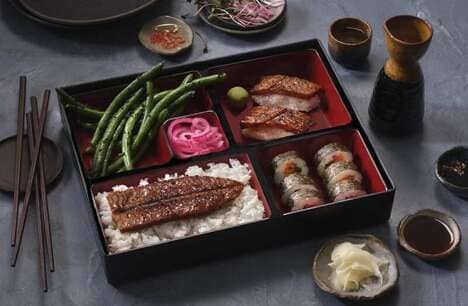
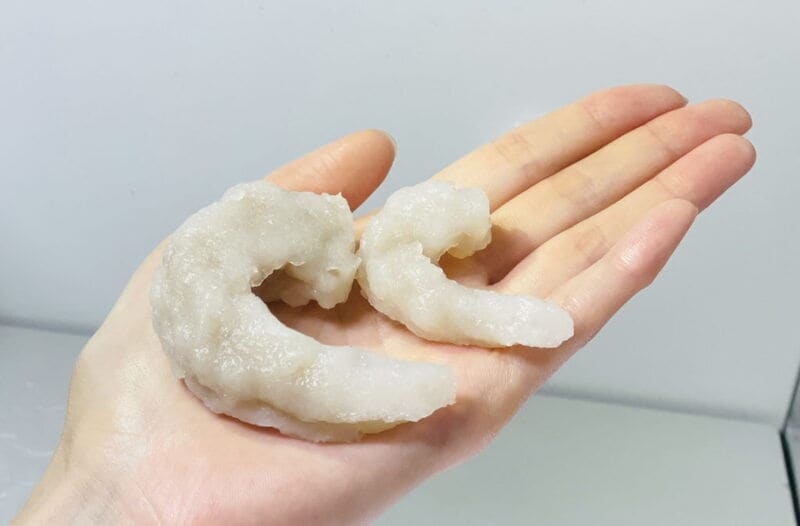
'CellMEAT' is a South Korea-based food tech company that has been aiming to create cell-cultured shrimp meat to provide a sustainable alternative to the market. The company has since created a safe-to-consume prototype that replicates both the taste and texture of shrimp without needing to farm mass amounts of marine wildlife. The product recently entered public testing through the 'Sigolo' restaurant in South Korea.
The cell-cultured shrimp was tested in a variety of meals, each of which were met with positive reception from customers. As such, CellMEAT is planning to build a large-scale production facility in Seoul where it will produce roughly 220,500-pounds of lab-grown shrimp meat per annum. The center will be 3,600 square feet in size and is expected to be opened in the first half of 2023.
Image Credit: CellMEAT
What's Driving This Trend
- Cell-cultured Seafood
- There is an opportunity for food tech companies to create cell-cultured seafood to provide sustainable alternatives to traditional seafood products.
- Lab-grown Meat
- The success of CellMEAT's prototype shrimp product indicates a potential trend towards the development of more lab-grown meat options.
- Sustainability in Food Production
- Reducing the environmental impact of food production by creating lab-grown meat and seafood could be a trend amongst companies in the food industry.
Who This Affects Most
- Food Technology
- There is a disruptive innovation opportunity for food tech companies to develop and produce cell-cultured seafood products.
- Sustainable Agriculture
- Reducing the negative environmental impacts of traditional agriculture through the development of lab-grown meat and seafood could be a disruptor in the sustainable agriculture industry.
- Restaurant Industry
- Restaurants can capitalize on the growing demand for sustainable and environmentally-friendly food options by including cell-cultured seafood products on their menus.