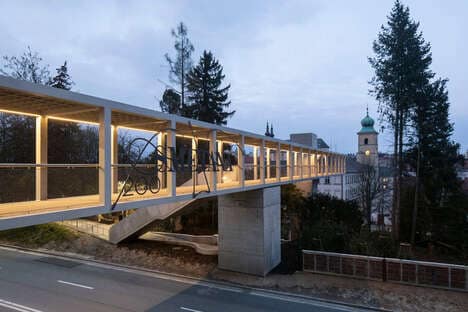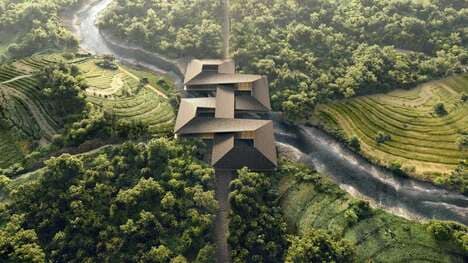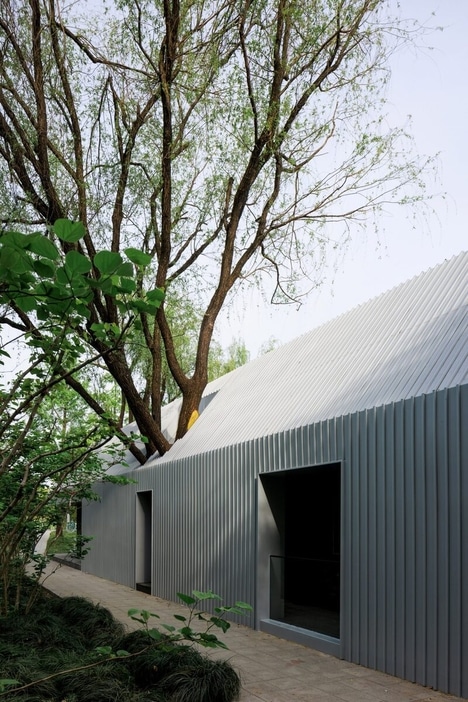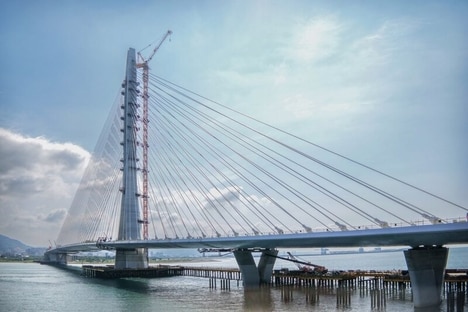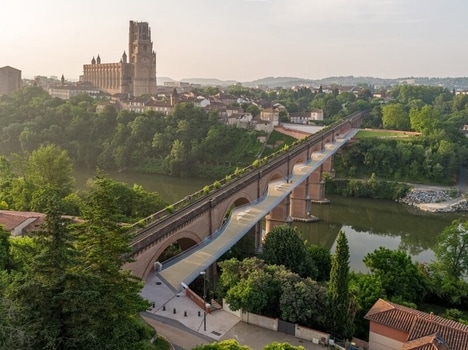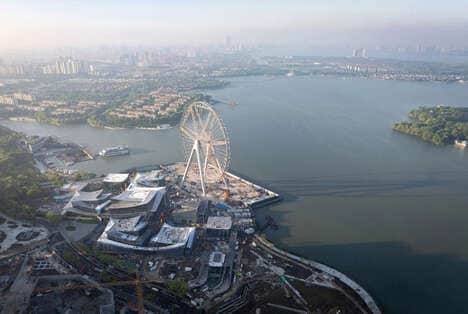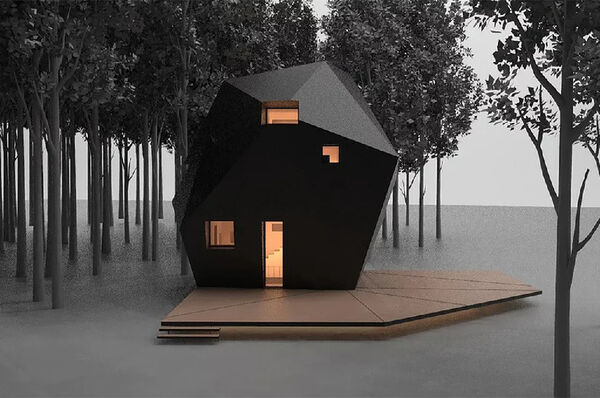
BAU, the China and Australia-based architectural studio, designed a 586-meter snaking bridge in China across Shanghai's Yuandang Lake. The winding bridge aims to act as a hybrid between landscape and infrastructure by blending into its surroundings across the lake.
The beam bridge is designed for cyclists and pedestrians. It blends architecture, infrastructure, and landscape with the existing pathways and nature on the site. BAU designed the bridge to run from east to west across the southern end of the lake to provide a new connection between Shanghai municipality and Jiangsu province. Due to its winding design, pedestrians have varying points of view as they traverse the structure. Moreover, the bridge includes vegetation, pavilions, and sculptural play spaces to create a versatile area.
Image Credit: BAU
What Makes This Trend Stand Out
- Hybrid Infrastructure
- Opportunity for architects and engineers to incorporate green spaces and aesthetic design elements into infrastructure projects.
- Landscape Integration
- A trend of combining environmental considerations with architecture and design, creating harmonious structures that blend with their surroundings.
- Pedestrian-focused Design
- A shift in focus towards designing infrastructure with pedestrians in mind, creating more accessible and enjoyable spaces in urban environments.
Sectors Adopting This
- Architecture and Design
- Hybrid infrastructure and landscape integration present new opportunities for architects and designers to create innovative and sustainable structures.
- Civil Engineering
- Pedestrian-focused design requires engineering solutions that prioritize foot traffic over vehicular transportation, leading to the development of innovative new designs.
- Urban Planning
- The use of hybrid infrastructure and landscape integration concepts in urban planning can lead to more livable and sustainable cities for inhabitants.