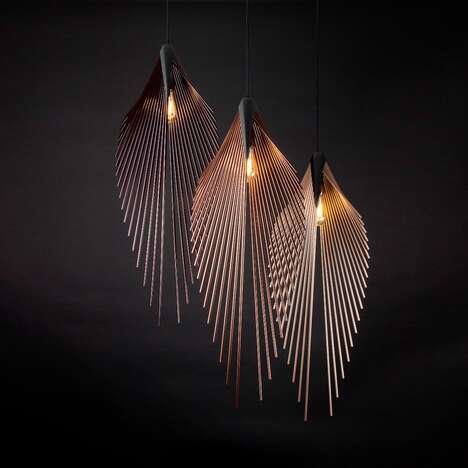
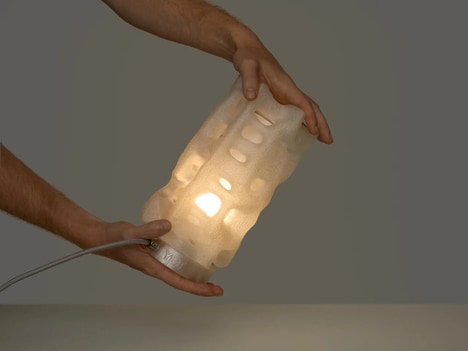
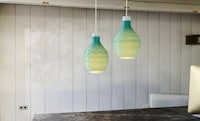
At first glance, the Afillia Light may look like a typical bulb. Yet upon closer inspection it becomes immediately clear that is not the case at all. In place of glass or even plastic is a mesh material that really adds a stunning texture to the whole design. As though modelled after a traditional microphone, the Afillia Light boasts an innovative aesthetic many people will be hard pressed not to appreciate.
Designed by Alessandro Zambelli for .exnovo, the Afillia Light is named after a leafless plant. Airy and organic with the clean lines that is indicative of contemporary design, the Afillia Light is available in six different iterations: three pendent models and three table versions. They were created using 3D printing technology.
Key Themes Behind This Trend
- Mesh Material Designs
- The incorporation of mesh materials in product design presents an opportunity for companies to create visually stunning and innovative products.
- 3D Printing Technology
- Incorporating 3D printing technology into product design and manufacturing processes can lead to more efficient and customizable production.
- Contemporary Organic Aesthetics
- There is a demand for contemporary designs that incorporate organic and natural elements, presenting an opportunity for companies to differentiate themselves.
Where This Applies
- Lighting Design
- The lighting design industry can explore the use of mesh materials and 3D printing technology in the creation of innovative and visually appealing lighting products.
- Home Decor
- The home decor industry can capitalize on the demand for contemporary and organic designs by incorporating these elements into their products.
- Product Manufacturing
- Incorporating 3D printing technology into product manufacturing can lead to more efficient and customizable production processes, offering a valuable opportunity for businesses.