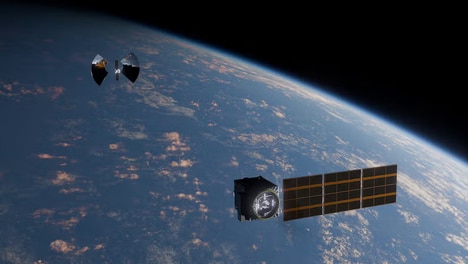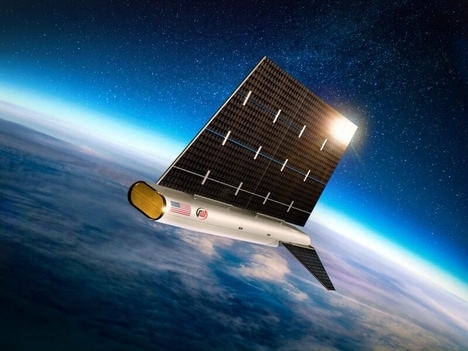

Kreios Space, a Vigo-based startup founded in 2021, introduced the ABEP (Air-Breathing Electric Propulsion) engine, a solar-powered system that ingests thin upper-atmosphere air, ionizes it into plasma and uses it as propellant to sustain very low Earth orbit (VLEO) missions. NATO's Innovation Fund led an investment round that backed Kreios after the engine reached certification and ground testing in 2026, marking the company’s push toward an orbital demonstration.
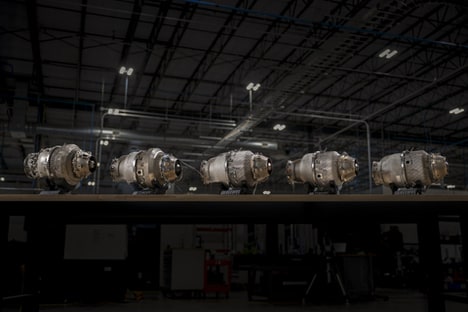
The ABEP design captures ambient atmospheric molecules rather than carrying onboard fuel, enabling continuous thrust while relying on solar electricity. Kreios completed ground-based prototypes and testing in Galicia, expanded its facilities with a cleanroom and vacuum chamber in Nigrán, and prepared two test satellites, including an in-orbit ABEP demonstration.
For consumers and operators, VLEO satellites promise higher-resolution imagery, lower latency and direct-to-device connectivity, with reduced long-term debris risk because failed vehicles burn up on reentry. If the in-orbit demo succeeds, the approach could reshape Earth observation and resilient communications by trading higher satellite counts for sustained, fuel-free low-altitude operations.
Image Credit: Shutterstock/greenbutterfly
What Makes This Trend Stand Out
- Air-breathing Propulsion
- A propulsion paradigm that ingests and ionizes residual atmospheric molecules to enable sustained thrust without onboard propellant presents potential for dramatically longer operational lifespans in low-altitude spacecraft.
- Very Low Earth Orbit Constellations
- Swarms of satellites operating at VLEO that trade altitude for increased revisit rates and lower latency could enable denser, more responsive Earth-observation and communications networks.
- Solar Electric Plasma Systems
- Solar-powered ionization and plasma acceleration systems that convert ambient gases into propellant offer new avenues for power-to-thrust efficiency in near-space platforms.
Sectors Adopting This
- Satellite Imaging and Remote Sensing
- High-resolution, frequent-revisit imaging delivered from sustained VLEO operations could unlock new commercial monitoring services that depend on continuous, short-latency observation.
- Telecommunications and Direct-to-device Connectivity
- Low-altitude constellations able to maintain position without refueling suggest opportunities for resilient, low-latency direct-to-device broadband and IoT backhaul in underserved regions.
- Space Logistics and Debris Mitigation
- Propellant-free sustained operations and predictable atmospheric reentry profiles from VLEO vehicles could change lifecycle planning and reduce long-term orbital debris management burdens.