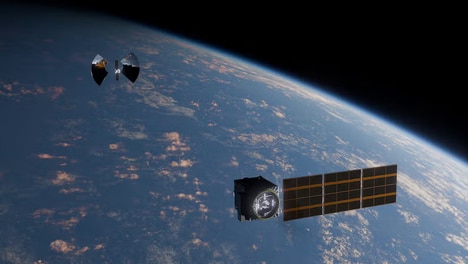
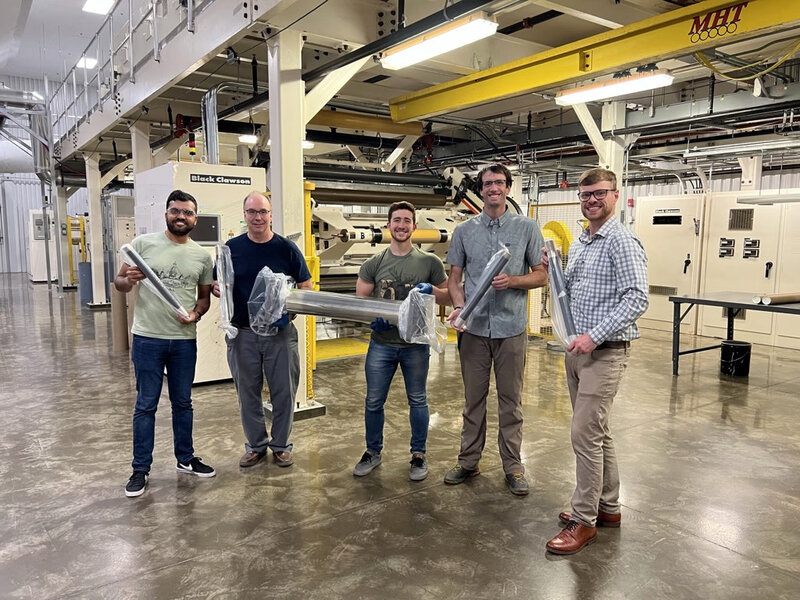
Verde Technologies introduced a perovskite-based solar panel system designed for orbital use, shifting the Burlington, Vermont startup’s commercialization from rooftops to space and featuring a lightweight, flexible thin-film material. The company named Jean-Noebl Poirier as CEO on July 8 to lead the pivot while cofounder Chad Miller moved to CTO.
Verde said it completed terrestrial trials and secured U.S. government funding, then began adapting materials, processes and packaging for temperature swings, radiation and vacuum conditions experienced in low Earth orbit. The panels aim for high power-to-mass ratios and reduced cost compared with conventional III-V space cells.
For satellite operators and emerging orbital data centers, the panels promise lighter arrays and potential lifetime cost advantages, especially for shorter LEO missions where perovskite durability requirements are lower. The move signals growing demand for flexible, lower-cost space solar as megaconstellations and orbital infrastructure expand.
Image Credit: Verde Technologies
What's Driving This Trend
- Flexible Space Photovoltaics
- Lightweight thin-film solar systems create new design flexibility for satellites, small spacecraft and orbital platforms where mass reduction directly improves launch economics.
- Low-cost Orbital Power
- Perovskite materials introduce a cheaper alternative to conventional space-grade solar cells, widening access to power-dense energy systems for shorter-duration LEO missions.
- Orbital Infrastructure Scaling
- Expanding megaconstellations and space-based data centers increase demand for modular energy technologies that can support larger, more cost-sensitive orbital networks.
Who This Affects Most
- Satellite Manufacturing
- Next-generation panel materials reshape spacecraft architecture by enabling lighter arrays, compact deployment systems and more affordable mission configurations.
- Renewable Energy
- Space adaptation of perovskite solar technology extends clean-energy innovation into extreme environments, creating crossover potential between terrestrial and orbital applications.
- Space Data Centers
- Energy-dense, lower-mass solar arrays support the feasibility of orbital computing facilities by reducing power-system costs and launch-weight constraints.