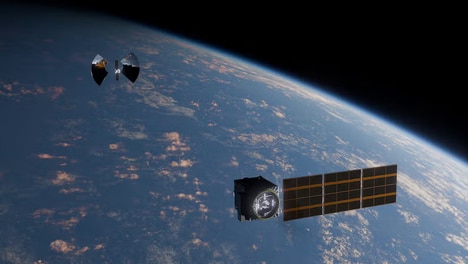
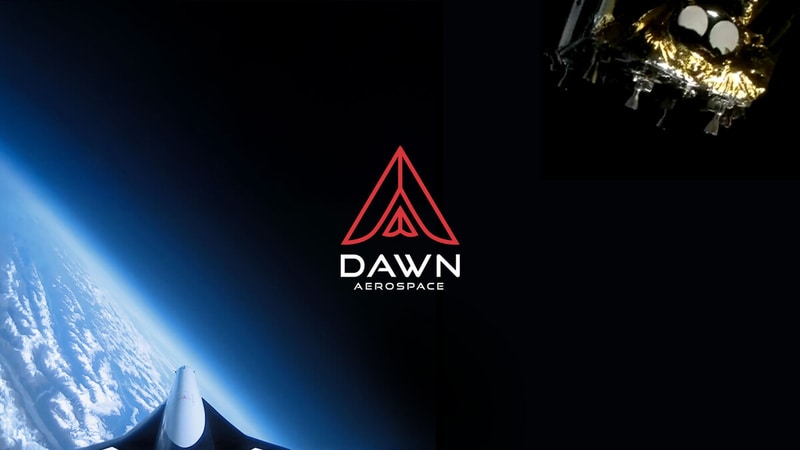
Dawn Aerospace secured a US$25 million Series B funding round to accelerate development of Aurora, its reusable spaceplane designed to take off and land on conventional runways. The company, which operates in New Zealand and the Netherlands, will also use the funding to expand its satellite propulsion business and advance Loop, its planned in-orbit satellite refueling network.
The investment will support continued development of Aurora, scale the company's satellite propulsion operations and fund work toward a Loop demonstration targeted for 2028. Dawn also uses 3D printing to produce critical propulsion components, including rocket engine technology developed through projects with the European Space Agency (ESA), enabling lighter, more efficient hardware for reusable spacecraft. The funding round was led by Balerion Space Ventures, with participation from investors including ANA Future Frontier Fund.
For the space industry, Aurora represents a step toward more frequent and cost-effective access to space by combining reusable aircraft-style operations with advanced manufacturing techniques. The company reflects the growing role of additive manufacturing in developing lightweight, high-performance spacecraft designed for rapid reuse.
Image Credit: Dawn Aerospace
Key Themes Behind This Trend
- Runway-launched Spaceplanes
- Reusable spacecraft that operate from conventional runways point to lower-cost, higher-frequency orbital access models that could reshape launch logistics and space mobility.
- Additive Space Manufacturing
- 3D-printed propulsion components enable lighter, more efficient spacecraft hardware, creating new pathways for rapid prototyping and performance optimization.
- In-orbit Refueling Networks
- Satellite refueling infrastructure expands mission lifespans and orbital flexibility, supporting emerging service models for space-based asset management.
Where This Applies
- Commercial Spaceflight
- Aircraft-style launch systems introduce scalable operational models that may reduce reliance on traditional vertical launch infrastructure.
- Satellite Services
- Refueling and propulsion advancements create longer-duration satellite operations, increasing the value of maintenance, mobility and mission-extension platforms.
- Advanced Manufacturing
- Precision 3D printing for aerospace propulsion strengthens demand for specialized materials, lightweight engineering and distributed production capabilities.